



EZHONG provides precision plate rolling and leveling solutions for shipyards and marine equipment manufacturers, supporting the fabrication of hull structures, marine tanks, piping components, deck structures, and other large welded assemblies.
Designed for shipbuilding steel, high-strength plates, and large-scale marine fabrication requirements, EZHONG equipment helps manufacturers improve forming accuracy, welding efficiency, and structural reliability for vessels operating in demanding marine environments.
Shipbuilding requires advanced plate processing technologies
to manufacture reliable marine structures for:
● Commercial vessels
● Offshore vessels
● Special-purpose ships
● Marine engineering equipment
Shipyards commonly process:
● Shipbuilding steel plates
● High-strength marine steels
● Corrosion-resistant materials
to produce:
● Hull sections
● Deck structures
● Marine tanks
● Pipes and cylindrical components
● Heavy welded assemblies
Accurate plate leveling and forming are essential to improve fabrication efficiency, welding quality, and overall vessel reliability.
Modern shipyards handle large steel plates requiring high leveling capacity, stable deformation control, and consistent plate quality. Proper plate preparation directly affects downstream cutting, welding, and assembly processes.
Ship structures consist of many welded sections requiring precise dimensions for block assembly, welding alignment, and structural integration. Accurate forming helps reduce fitting work and improve production efficiency.
Large welded marine structures may experience deformation caused by welding heat input, plate residual stress, and structural complexity. High-quality plate leveling and forming processes help improve fabrication accuracy.
Shipyards require flexible and reliable equipment capable of handling different plate thicknesses, various steel grades, and large component sizes while maintaining stable production quality.
EZHONG provides customized plate forming solutions for shipyards and marine manufacturers, covering heavy plate leveling, cylindrical forming, and large steel component production.
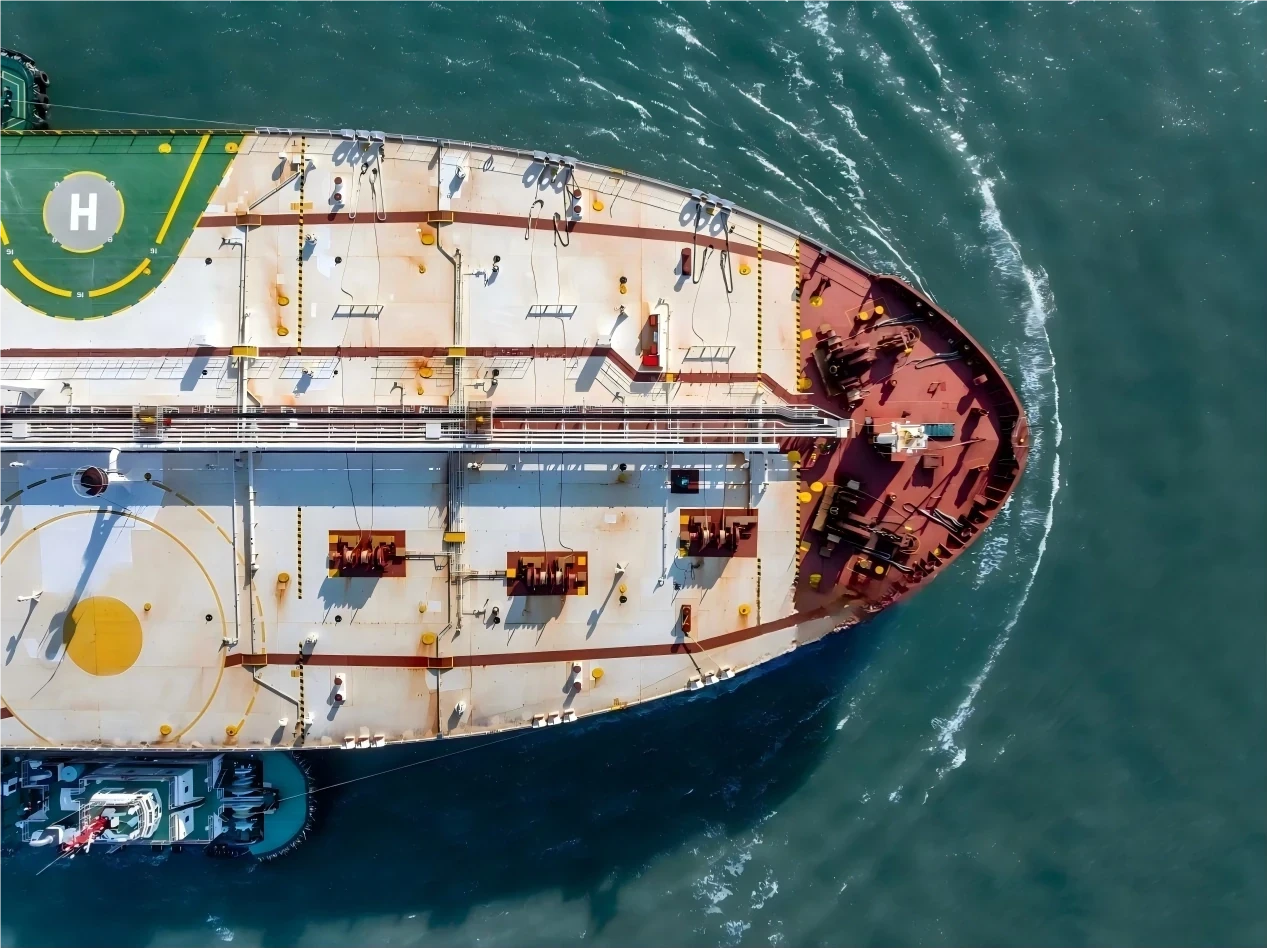
EZHONG 3-roll and 4-roll plate rolling machines are designed for:
● Marine steel plates
● High-strength shipbuilding materials
● Large welded cylindrical components
Suitable for manufacturing:
● Marine tanks
● Pipe sections
● Cylindrical structures
● Customized ship components
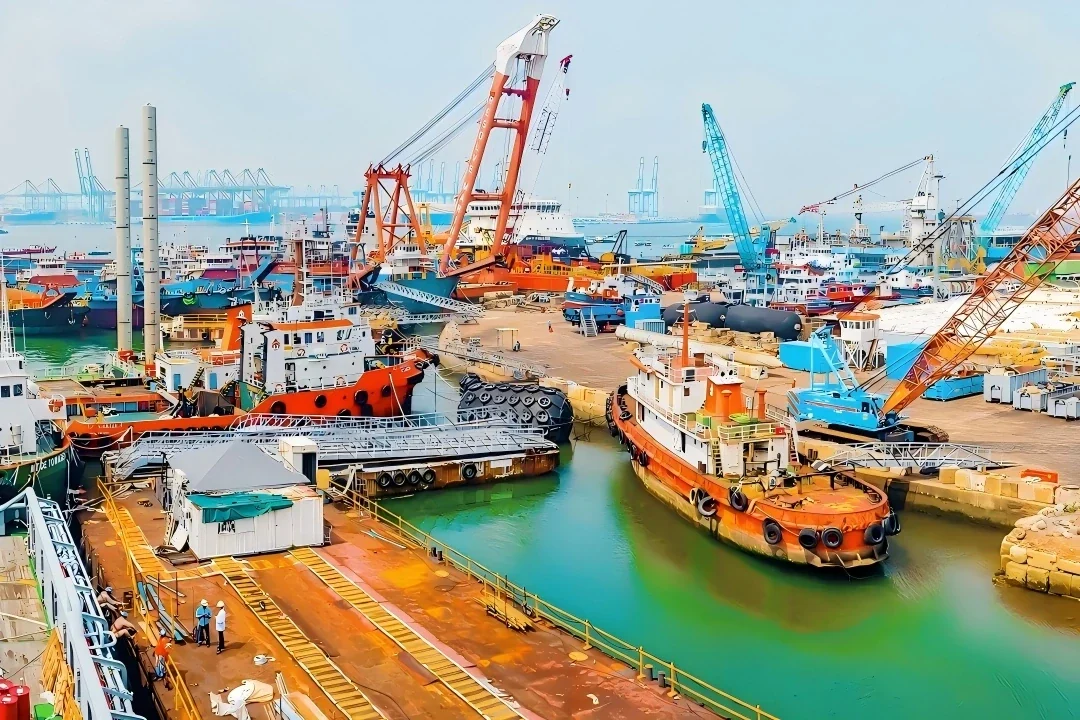
EZHONG plate leveling machines help improve:
● Plate flatness
● Fabrication accuracy
● Welding preparation quality
● Assembly efficiency
Suitable for shipbuilding plates used in:
● Hull fabrication
● Deck structures
● Marine equipment manufacturing
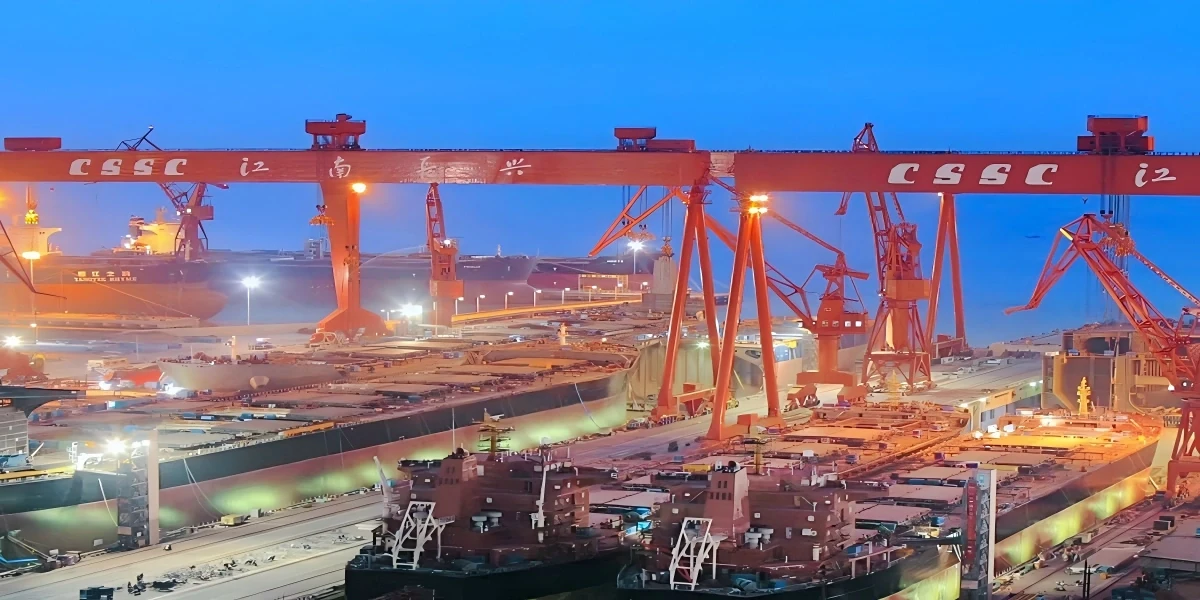
Solutions are configured according to:
● Ship type
● Plate thickness
● Material grade
● Component dimensions
● Production requirements
Supporting both commercial shipbuilding and specialized marine projects.
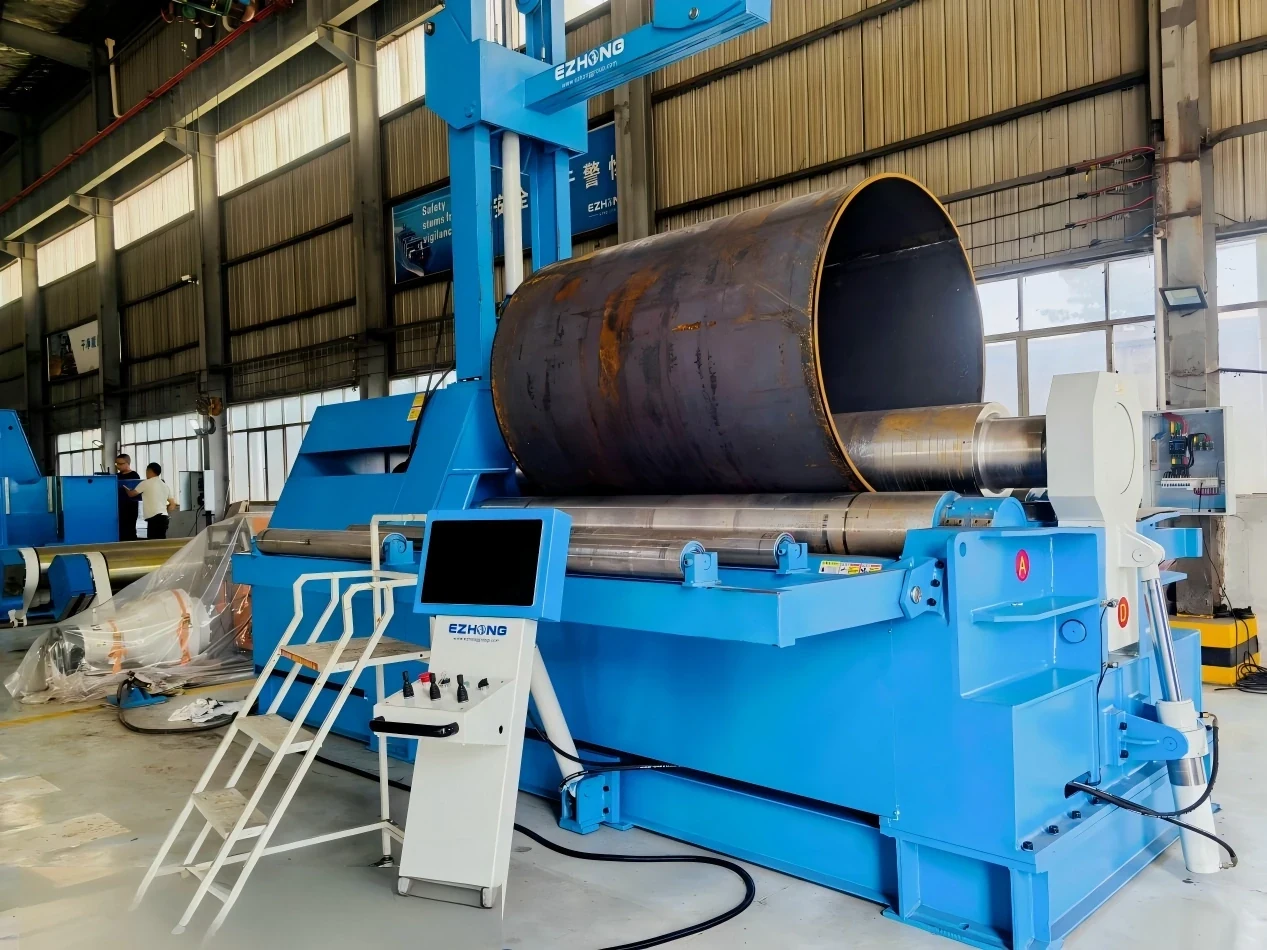
Recommended for:
● Marine tanks
● Cylindrical ship components
● Heavy welded structures
Advantages:
● High forming accuracy
● Excellent pre-bending performance
● Suitable for marine steel
● Efficient production operation
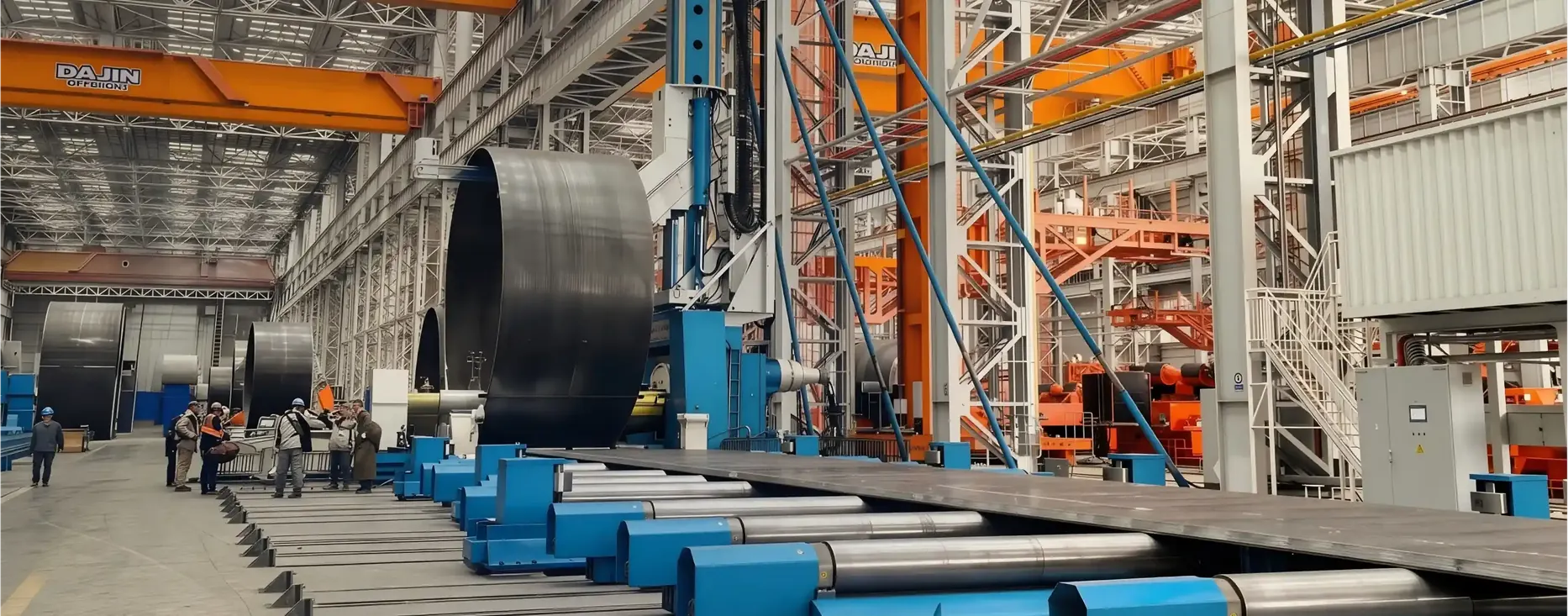
Recommended for:
● Large shipyard fabrication
● Oversized cylindrical structures
● Heavy marine components
Advantages:
● High rolling capacity
● Strong structural rigidity
● Suitable for continuous shipyard production
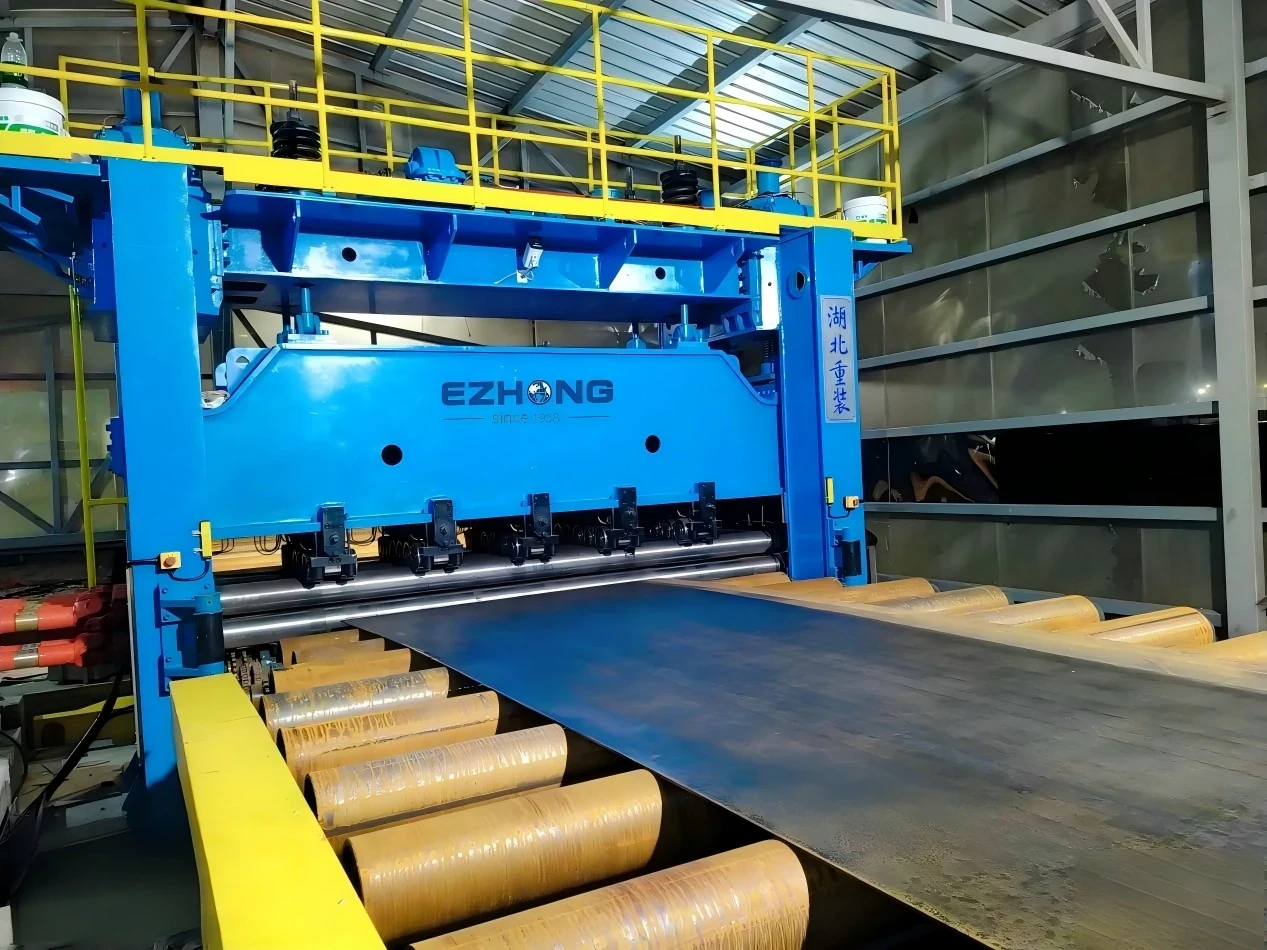
Recommended for:
● Shipbuilding steel plates
● High-strength marine plates
● Large welded structures
Advantages:
● Improves plate flatness
● Reduces fabrication correction
● Enhances welding and assembly quality
Applications include:
Suitable for manufacturing:
Supporting production of:
Applications include:
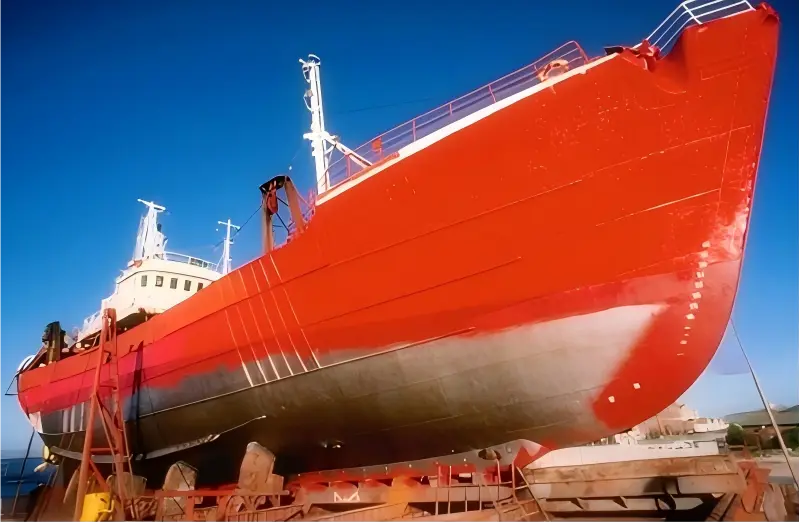
EZHONG plate rolling and leveling machines have been widely applied in industries requiring large-scale steel fabrication, including:
● Shipbuilding
● Offshore engineering
● Marine equipment manufacturing
● Heavy steel structures
● Energy equipment industries
Our solutions support shipyards and marine manufacturers in improving plate preparation quality, forming accuracy, and production efficiency.
Shipbuilding involves a combination of plate leveling, rolling, bending, forming, cutting, and welding. The appropriate process depends on the component geometry, plate thickness, material strength, required curvature, and production method.
Plate rolling is widely used to form cylindrical, conical, and curved components required for hull structures, shell sections, tubular structures, and other fabricated parts. The required rolling technology depends on plate dimensions, material properties, geometry, and production requirements.
Shipbuilding plates can be large in width and length, while material thickness and strength vary according to the vessel and component. Large plate dimensions, off-center loading, springback, and the required curvature all need to be considered to achieve consistent forming results.
Depending on the design, components can be produced through plate rolling, press forming, or other specialized bending processes. Three-roll and four-roll plate rolling machines are commonly used for cylindrical, conical, and other curved components, while specialized forming equipment may be required for more complex hull geometries.
Flat and dimensionally stable plates provide more predictable conditions for cutting and subsequent forming. Good flatness also improves fit-up during welding and assembly, helping reduce correction work and dimensional deviations in downstream fabrication.
Higher-strength steels generally require greater forming forces and can exhibit more pronounced springback than conventional structural steels. Material yield strength should therefore be considered together with plate thickness, width, bending radius, and component geometry when selecting forming equipment.
Consistent curvature, dimensions, and edge alignment improve fit-up between formed components and can reduce adjustment and correction during welding and assembly. Stable forming quality is particularly important when producing repeated components or large sections.
Equipment selection should be based on the actual production range, including plate thickness and width, material yield strength, required curvature or diameter, component geometry, plate weight, production volume, and required accuracy. For shipyards with diverse fabrication requirements, machine configuration and supporting equipment should be evaluated together with the forming process.
From ship steel plate leveling to marine component forming, EZHONG provides customized solutions based on your ship type, material requirements, component dimensions, and production goals. Contact EZHONG engineers to develop the right plate processing solution for your shipbuilding project.