



EZHONG provides precision plate leveling and forming solutions for manufacturers of stainless steel composite plates, titanium-steel plates, nickel-based alloy composites, and other multi-layer metal materials.
Designed for composite plates with different material properties and thicknesses between the base and clad layers, EZHONG multi-roll leveling and plate forming machines help manufacturers achieve stable flatness, controlled deformation, and reliable dimensional accuracy while protecting the integrity of bonded layers.
Composite plates combine two or more metal layers to achieve a combination of strength, corrosion resistance, heat resistance, or cost efficiency that cannot be achieved with a single material.
Common composite materials include:
● Stainless steel / carbon steel composite plates
● Titanium / steel composite plates
● Nickel alloy / steel composite plates
● Corrosion-resistant composite plates
● Multi-layer industrial composite materials
These materials are widely used in:
● Chemical processing equipment
● Pressure vessels / Heat exchangers
● Petrochemical equipment
● Pharmaceutical machinery
● Power and energy equipment
Because the base and clad layers have different mechanical properties, composite plates require carefully controlled forming and leveling processes to maintain flatness, dimensional accuracy, and layer integrity.
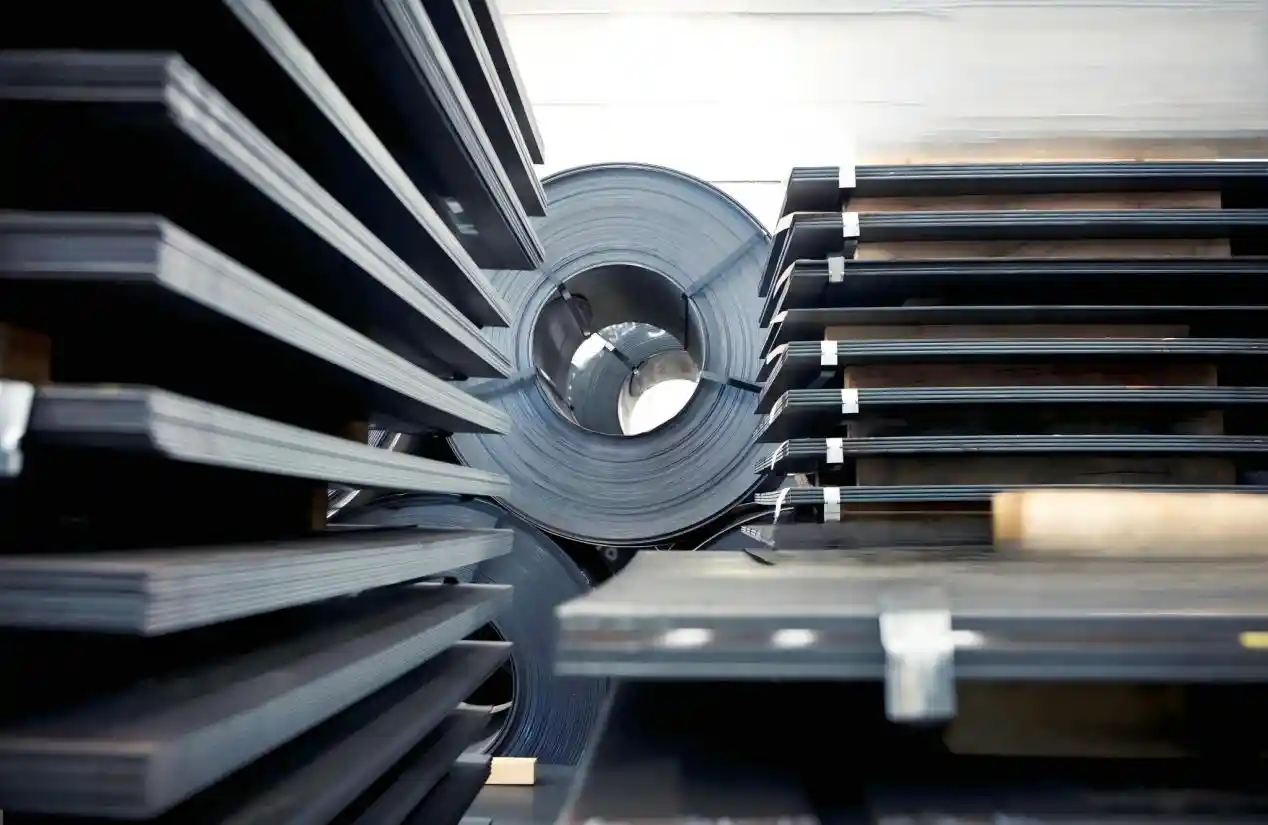
The base and clad layers may have significantly different yield strengths, thicknesses, and deformation characteristics. Improper leveling parameters can lead to uneven deformation or excessive stress within the composite plate.
Composite materials require controlled deformation during processing. Excessive local deformation or unsuitable forming conditions may cause cracking, delamination, or damage to the clad layer.
Heat treatment, rolling, cutting, and other manufacturing processes can introduce residual deformation into composite plates. High-quality leveling is essential before further fabrication and assembly.
Industrial composite plates can be produced in large widths and thicknesses, requiring high-rigidity equipment, sufficient leveling force, and stable roll-gap control.
EZHONG provides customized multi-roll leveling and plate forming solutions based on composite structure, material strength, plate thickness, width, and required flatness.
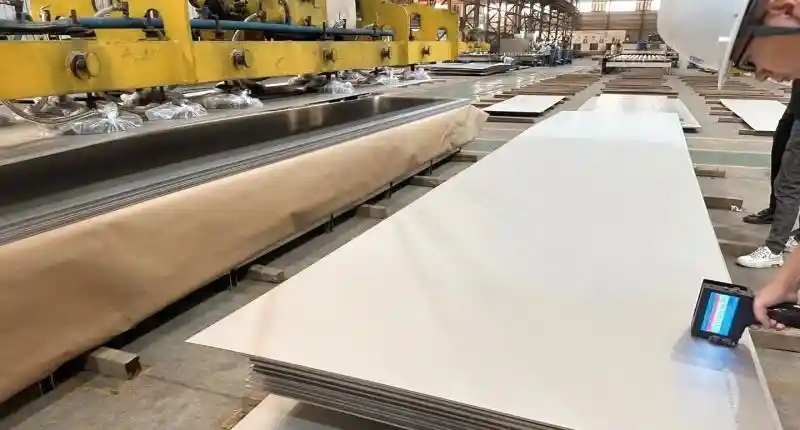
EZHONG multi-roll plate leveling machines are designed for precision correction of composite plates and other high-strength materials. The multi-roll configuration provides multiple controlled deformation points across the plate, helping correct residual deformation while maintaining stable processing conditions.
Suitable for:
● Stainless steel composite plates
● Titanium-steel composite plates
● Nickel alloy composite plates
● Corrosion-resistant composite plates
● Multi-layer metal plates
Key advantages include:
● High-rigidity machine structure
● Dense multi-roll configuration
● Precise roll-gap adjustment
● Controlled deformation across the plate width
● Stable processing of high-strength materials
● Customized configuration according to material properties
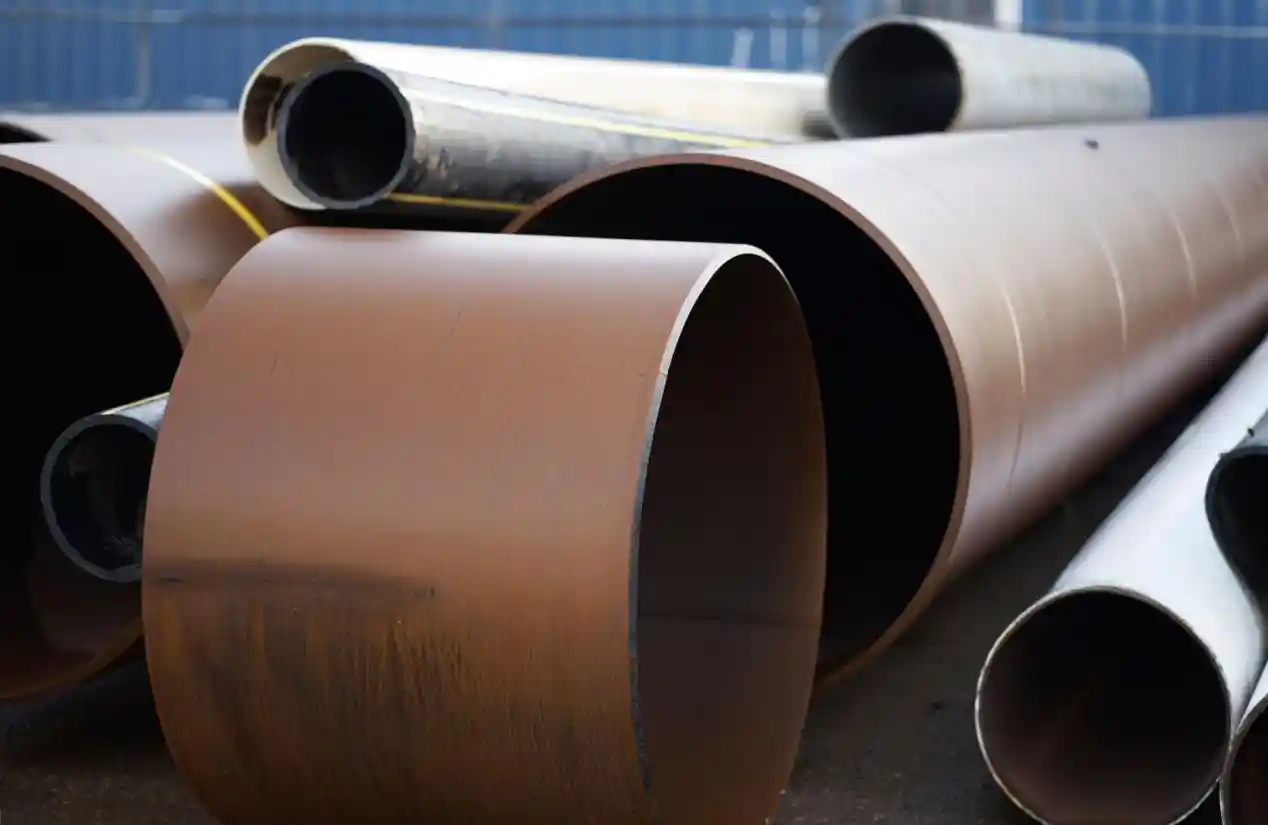
For composite plates requiring cylindrical or curved components, EZHONG plate rolling machines can be configured according to the material combination, total thickness, plate width, and required forming diameter. The forming process can be optimized to reduce excessive local deformation and maintain dimensional consistency during rolling.
Suitable for manufacturing:
● Composite cylinders
● Corrosion-resistant shells
● Chemical equipment components
● Pressure vessel shells
● Curved composite structures
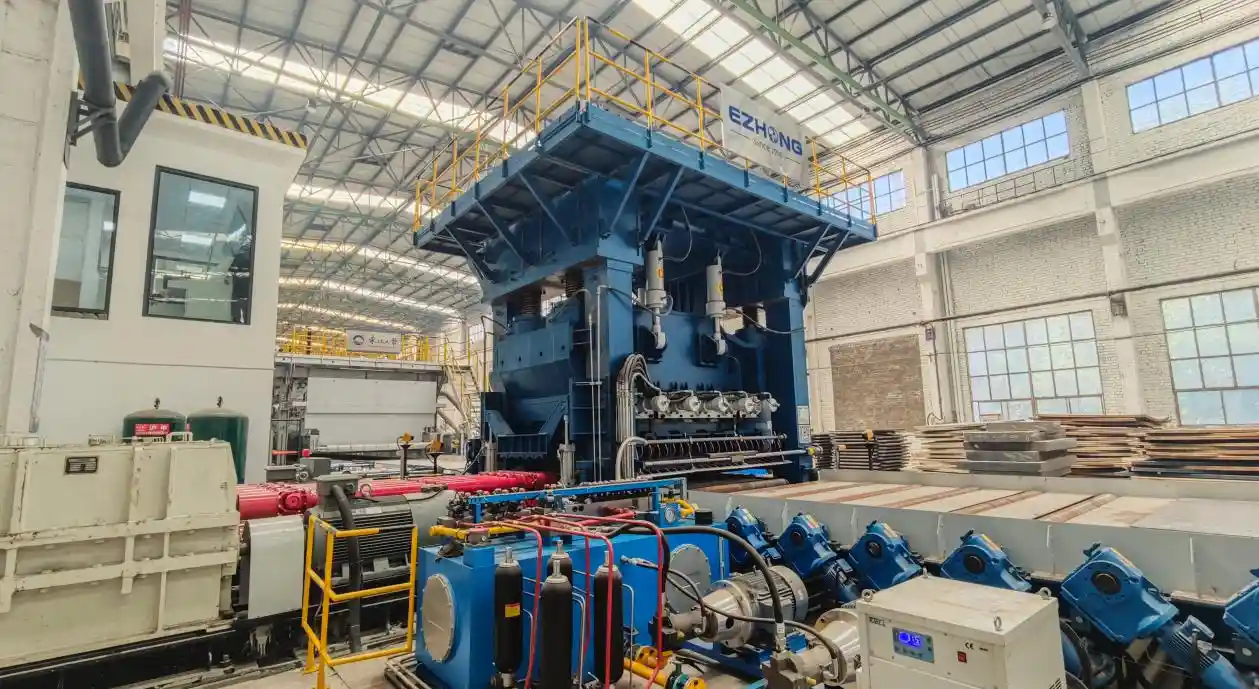
Recommended for:
● Stainless steel composite plates
● Titanium-steel plates
● Nickel alloy composite plates
● Wide and heavy composite plates
Advantages:
● Multi-point controlled deformation
● High structural rigidity
● Precise roll-gap control
● Stable leveling performance
● Suitable for high-strength alloy materials
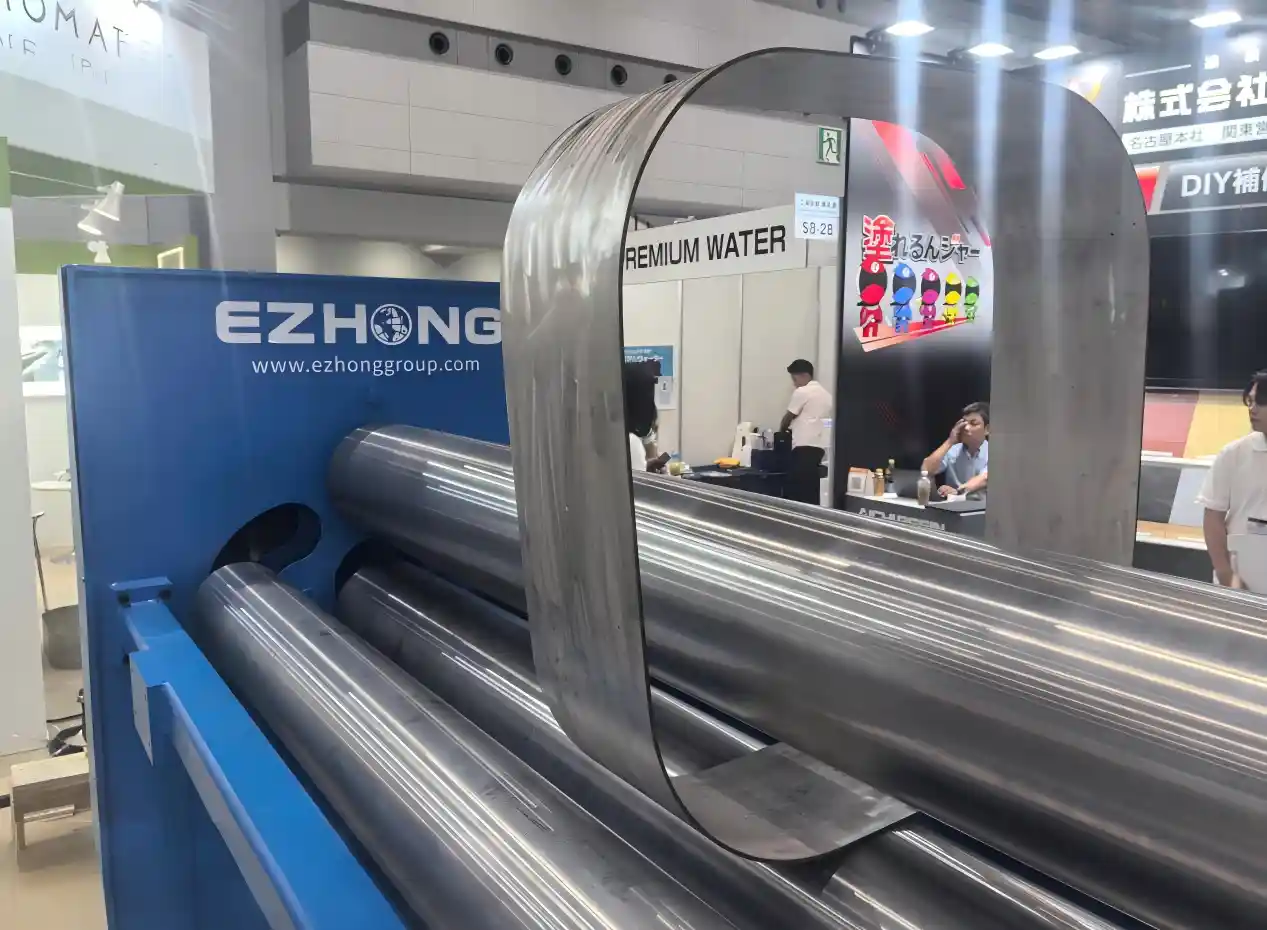
Recommended for:
● Composite cylinders
● Curved composite shells
● Corrosion-resistant equipment
● Pressure vessel components
Advantages:
● Accurate pre-bending and rolling
● CNC-controlled forming process
● High dimensional consistency
● Flexible processing for different plate geometries
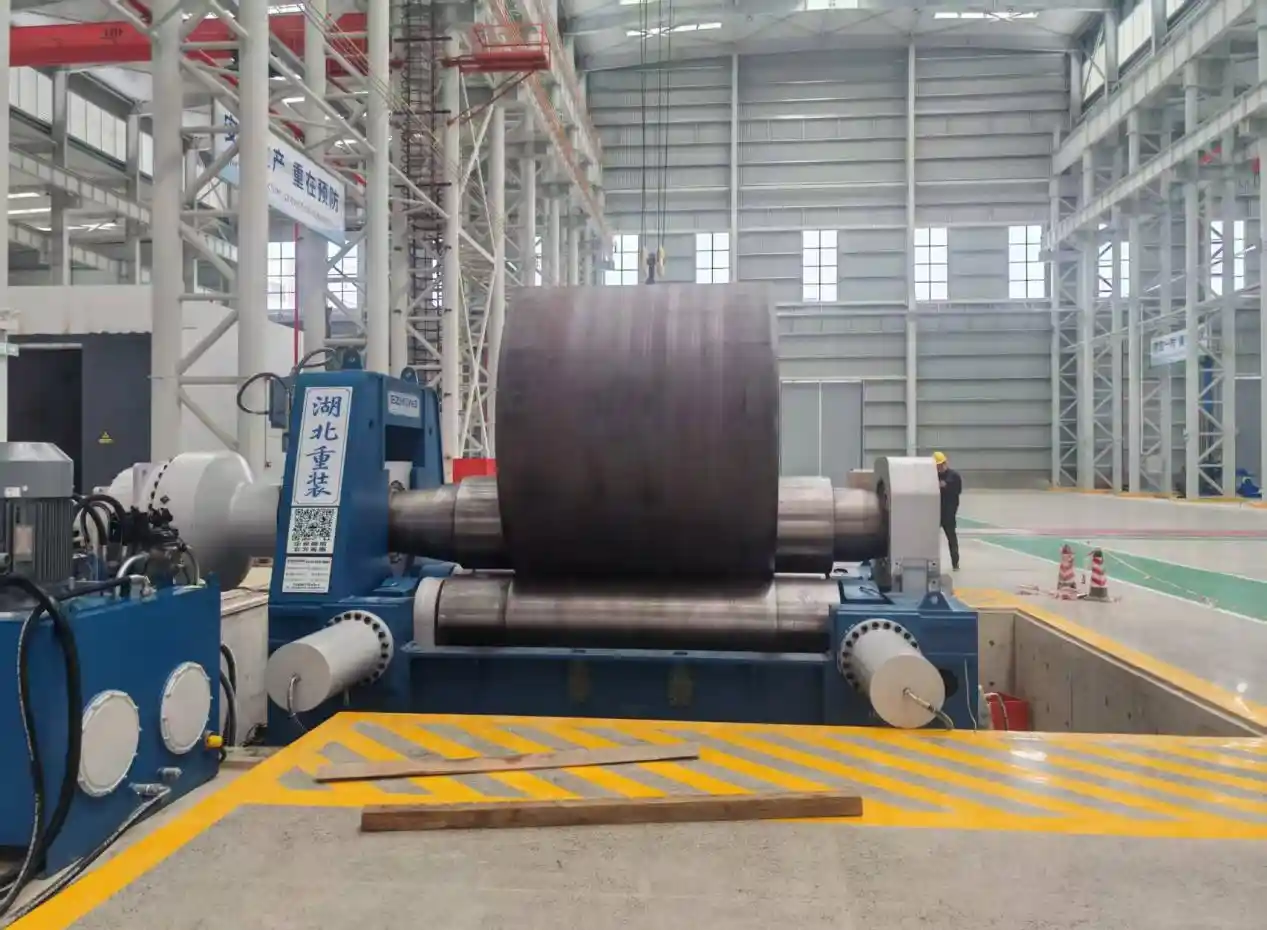
Recommended for:
● Thick composite plates
● Large-diameter composite shells
● Heavy industrial equipment
Advantages:
● High forming capacity
● Rigid machine structure
● Suitable for heavy plate applications
● Customized according to material and component requirements
Applications include:
Suitable for producing:
Applications include:
Supporting production of:
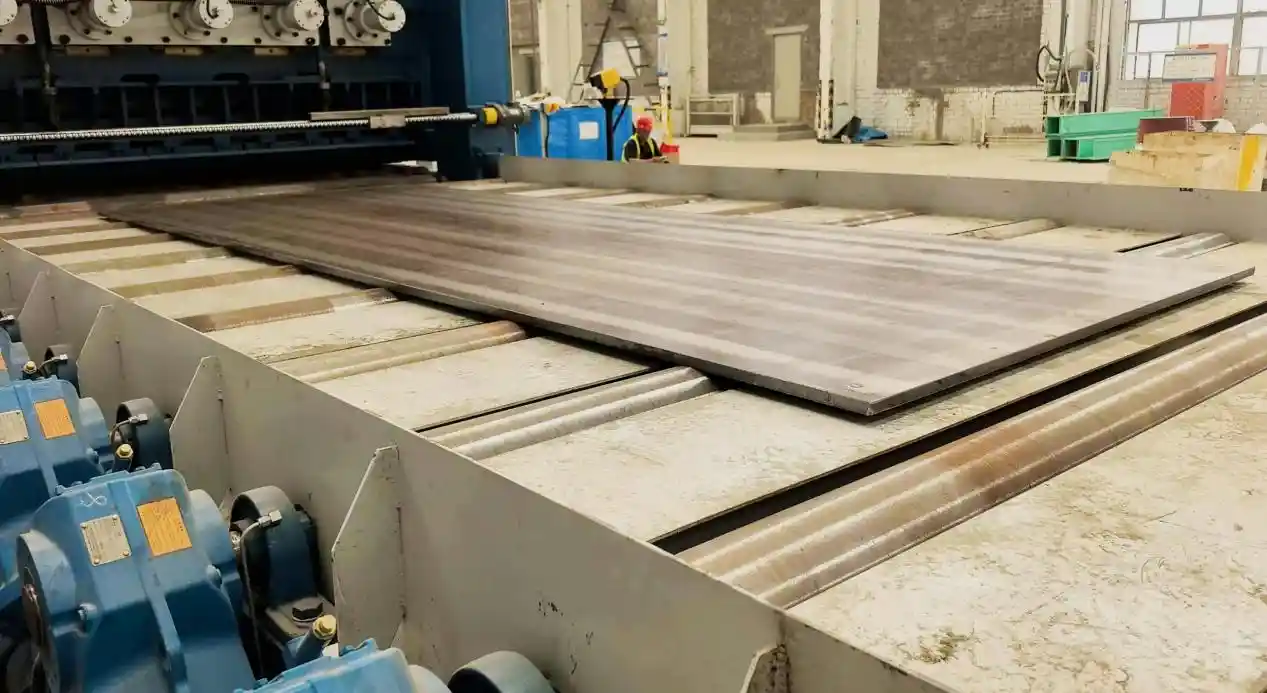
EZHONG equipment has been supplied to manufacturers processing titanium, nickel alloys, stainless steel composites, and other advanced composite materials.
Our solutions support demanding applications requiring high flatness, controlled deformation, and stable processing of multi-layer metal plates.
EZHONG equipment can be configured for stainless steel/steel, titanium/steel, nickel alloy/steel, corrosion-resistant composite plates, and other multi-layer metal materials. The exact machine configuration depends on the material combination, total thickness, and yield strength.
Heat treatment, rolling, cutting, and other processes can introduce residual deformation into composite plates. Precision leveling helps improve flatness and dimensional stability before subsequent fabrication, welding, or forming.
Composite plates contain layers with different mechanical properties. The leveling process therefore requires more careful control of deformation, roll gap, leveling force, and process parameters to avoid excessive stress or damage to the clad layer.
Yes. EZHONG has supplied multi-roll leveling equipment for titanium and nickel alloy materials, including applications with material yield strengths up to 750 MPa.
The required roll configuration depends on plate thickness, width, material strength, composite structure, flatness requirement, and production conditions. EZHONG can configure 7-roll, 9-roll, 11-roll, 13-roll, or other multi-roll solutions according to the application.
Yes. When composite plates are used to manufacture cylindrical or curved components, EZHONG plate rolling machines can be configured for the required plate thickness, material combination, width, and forming diameter.
The key parameters include the base and clad materials, thickness of each layer, plate width and length, material yield strength, initial flatness, required finished flatness, production volume, and whether the plates require subsequent rolling or fabrication.
From precision leveling of titanium-steel and nickel-alloy plates to forming large composite cylinders, EZHONG provides customized plate processing equipment based on your material structure, plate dimensions, flatness requirements, and production goals. Contact EZHONG engineers to discuss your composite plate manufacturing requirements.