



EZHONG provides high-precision plate rolling and leveling solutions for boiler manufacturers and thermal equipment producers, supporting the fabrication of boiler drums, pressure shells, headers, heat recovery boiler components, and other critical cylindrical structures.
Designed for thick plates, heat-resistant steels, and pressure equipment applications, EZHONG machines help manufacturers achieve accurate forming, reliable welding preparation, and consistent quality for demanding boiler manufacturing processes.
● Power generation
● Petrochemical industry
● Metallurgy
● Industrial heating
● Energy recovery systems
Manufacturers need to process specialized materials including heat-resistant steels, corrosion-resistant steels, pressure vessel steels, and heavy steel plates into components requiring accurate geometry, reliable welding performance, stable mechanical properties, and long-term operational safety.
High-quality plate forming is a critical process in manufacturing boiler drums, shells, headers, and pressure-containing components.
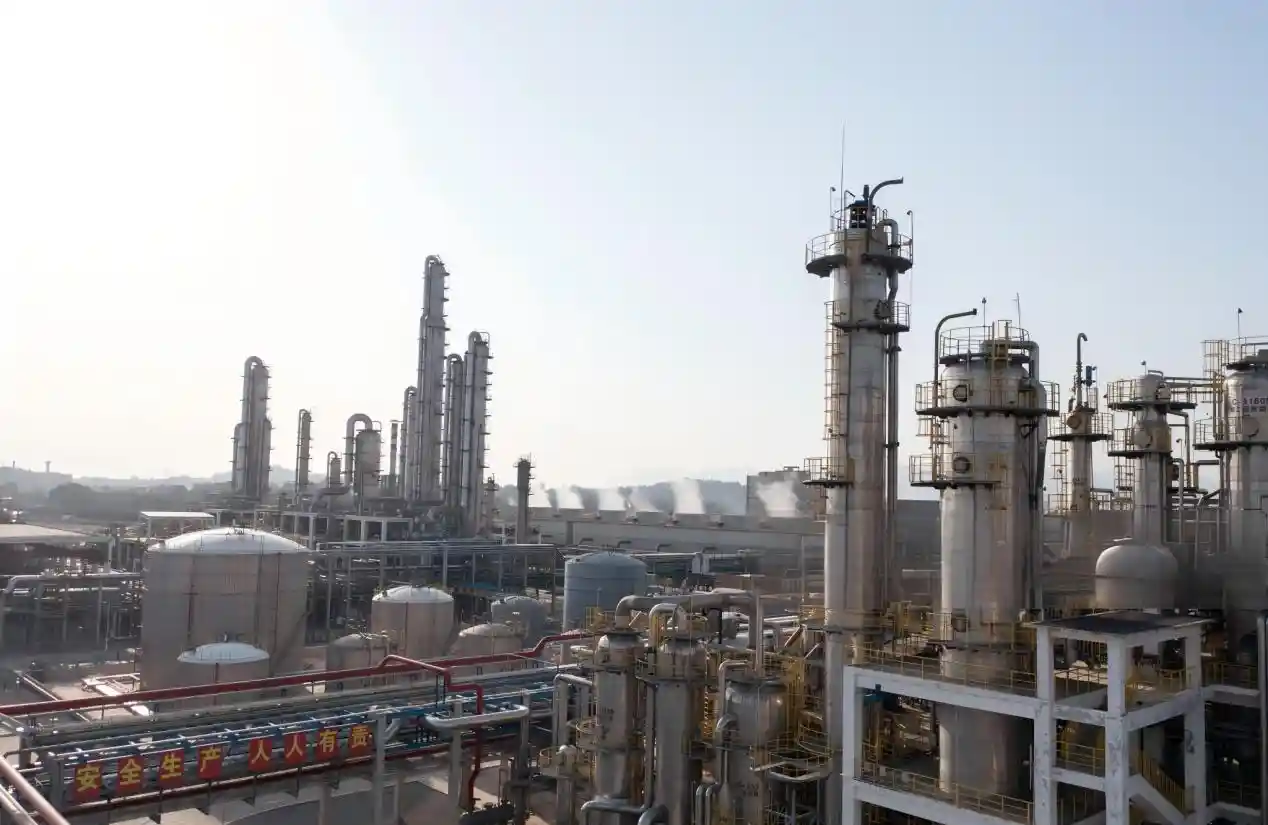
Boiler manufacturers commonly use specialized steel grades designed for high-temperature and pressure applications. These materials require strong forming capability, stable rolling processes, and accurate deformation control to maintain material performance during fabrication.
Components such as boiler drums and pressure shells require accurate dimensions to ensure proper welding fit-up, reliable assembly, and consistent pressure performance. Poor forming accuracy may increase correction work and affect manufacturing efficiency.
Heavy boiler components often involve thick plates that may experience springback, edge deformation, and residual stress. Proper rolling and leveling processes help improve fabrication quality before welding and assembly.
Boiler manufacturers require reliable forming equipment capable of producing repeatable results for safety-critical components under strict quality management systems.
EZHONG provides customized plate forming solutions for manufacturers of industrial boilers, power plant boilers, waste heat recovery boilers, and thermal equipment.
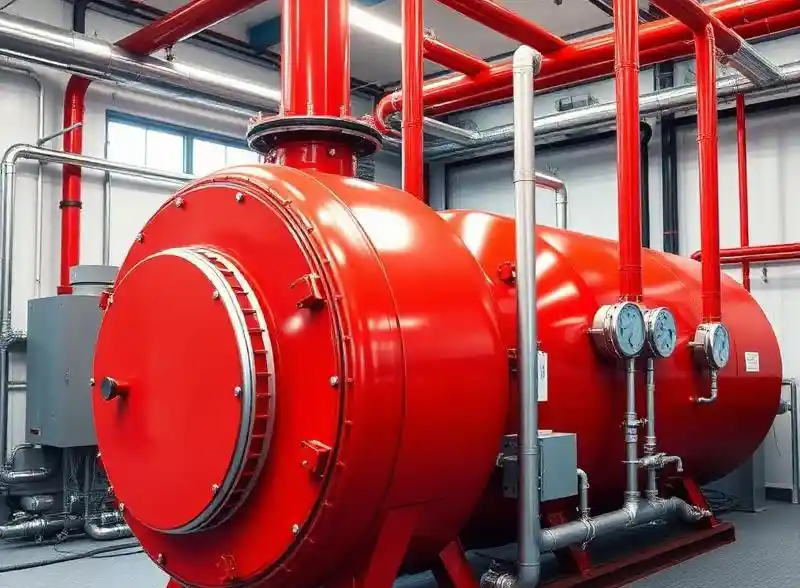
EZHONG heavy-duty 3-roll and 4-roll plate rolling machines are designed for:
● Thick pressure vessel plates
● Heat-resistant steel applications
● Large cylindrical components
Suitable for manufacturing boiler drums, pressure shells, cylindrical sections, and large welded components.
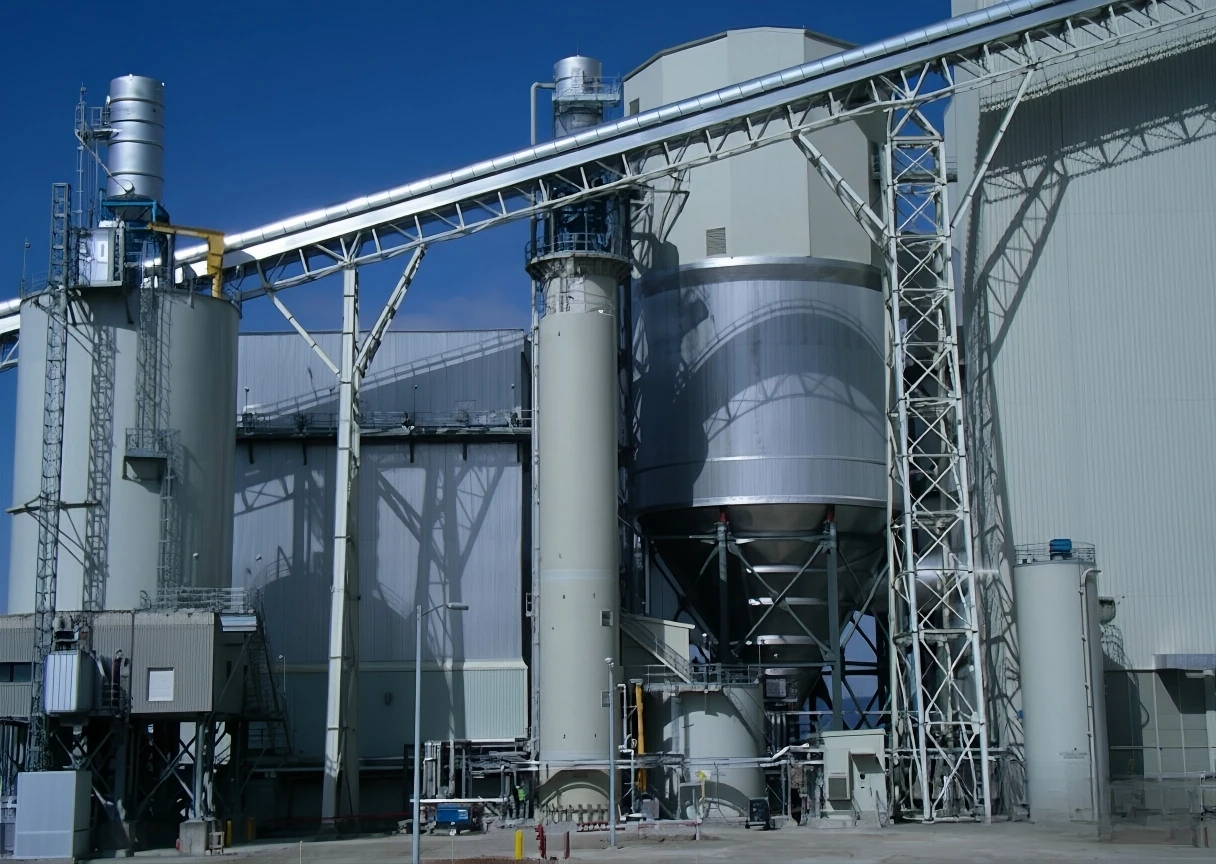
EZHONG heavy-duty plate leveling machines help improve:
● Plate flatness
● Fabrication preparation quality
● Welding consistency
● Assembly accuracy
Suitable for thick steel plates used in boiler and thermal equipment manufacturing.
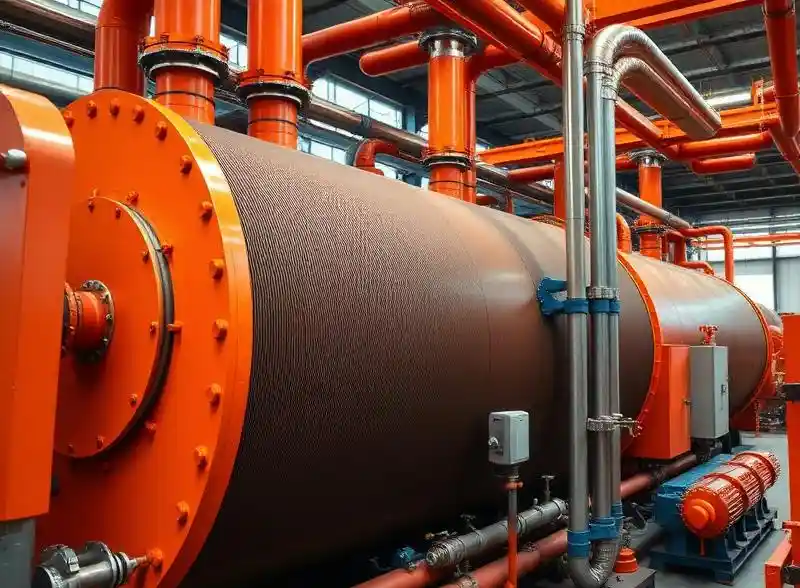
Solutions are configured according to:
● Material grade
● Plate thickness
● Component dimensions
● Production requirements
Supporting both standard boiler production and customized thermal equipment projects.
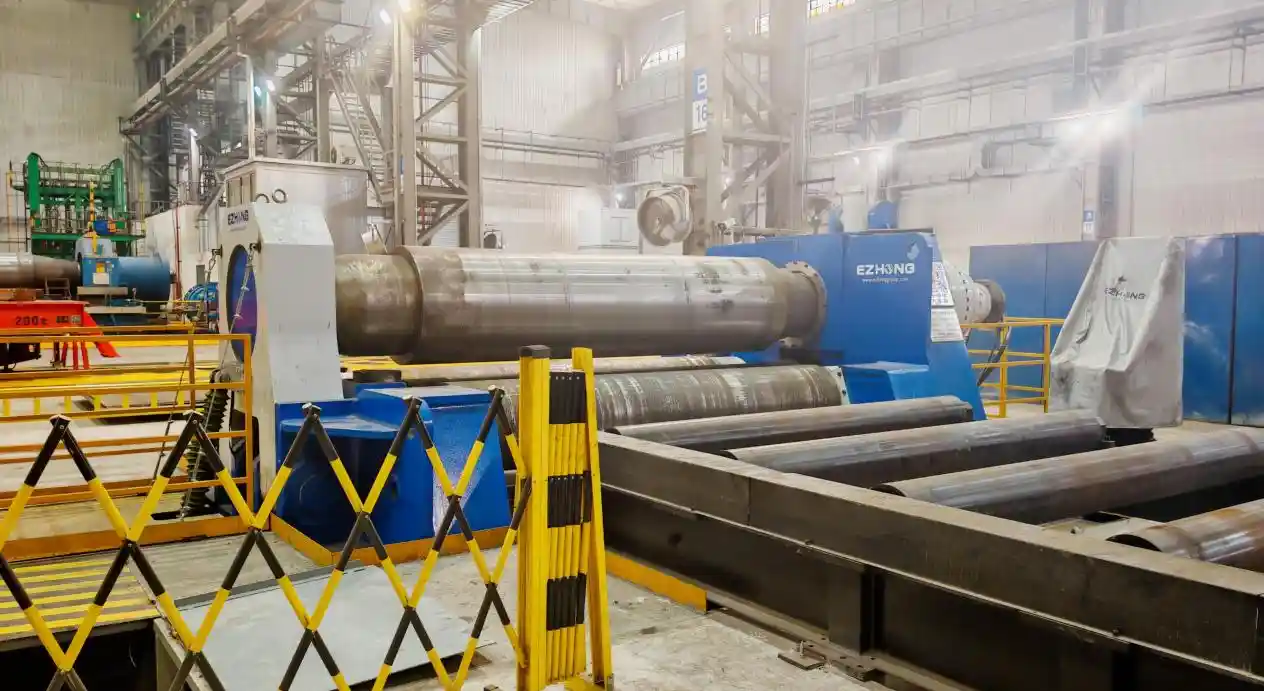
Recommended for:
● Boiler drums
● Pressure shells
● Heat recovery boiler components
Advantages:
● High forming accuracy
● Excellent pre-bending capability
● Suitable for pressure equipment applications
● Reduced manual adjustment
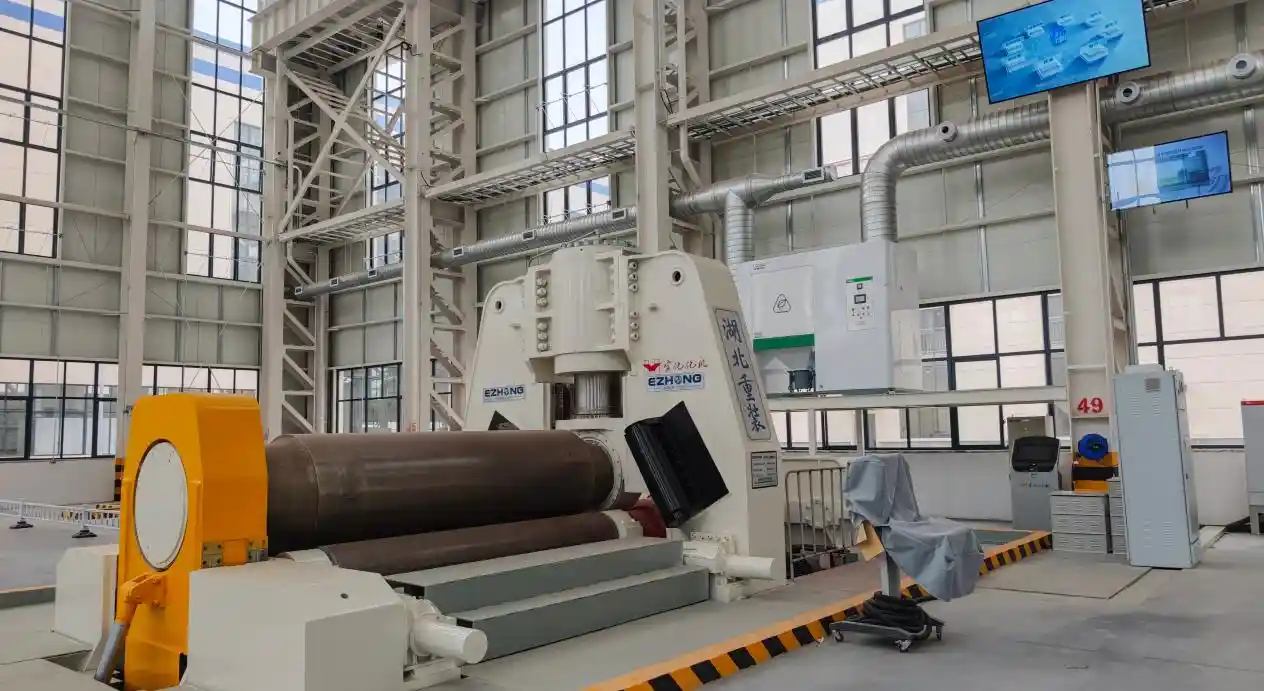
Recommended for:
● Large boiler shells
● Heavy cylindrical components
● Large thermal equipment structures
Advantages:
● High rolling force
● Suitable for thick plates
● Reliable operation for heavy fabrication
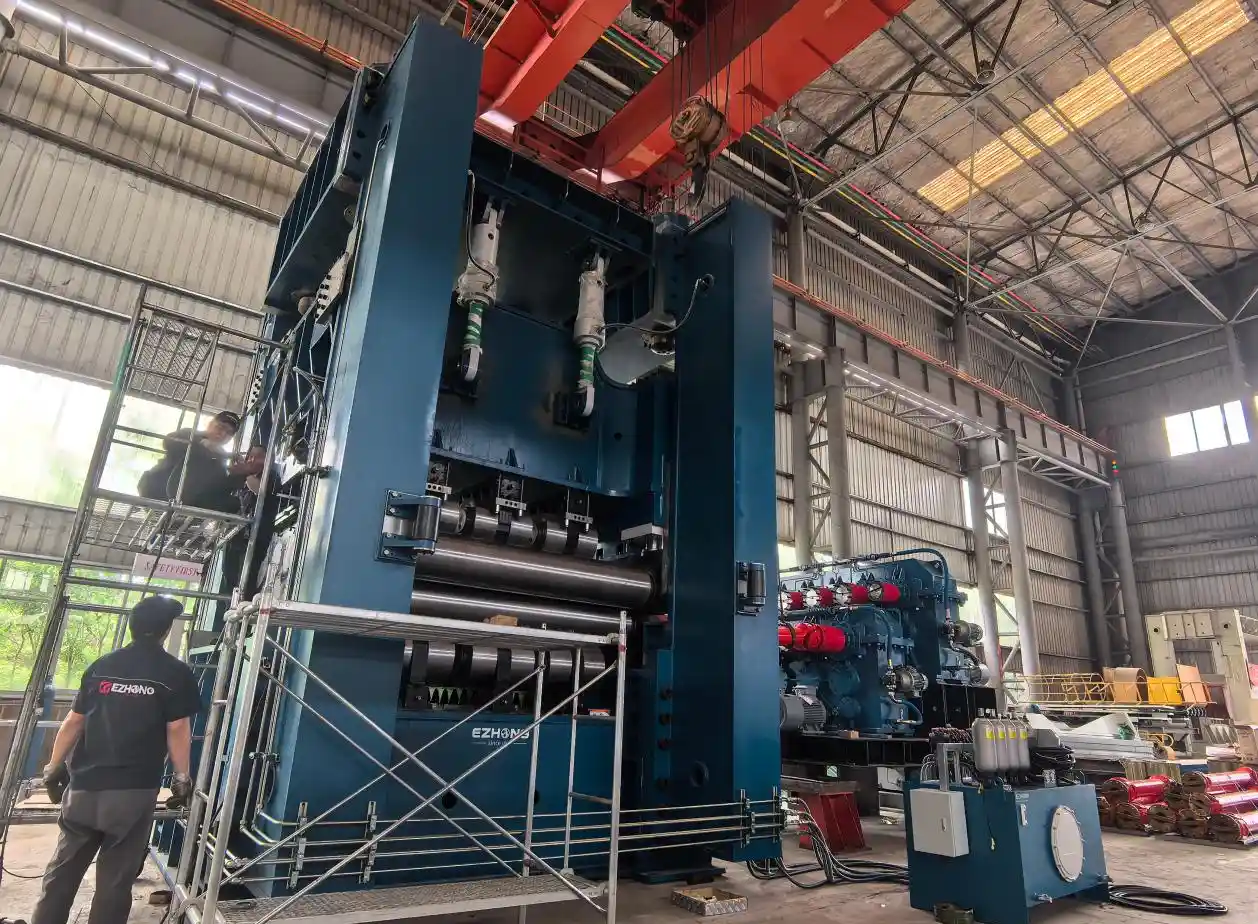
Recommended for:
● Boiler steel plates
● Pressure vessel plates
● Heat-resistant materials
Advantages:
● Improves plate flatness
● Reduces deformation before fabrication
● Enhances welding preparation quality
Applications include:
Suitable for:
Supporting manufacturing of:
Applications include:
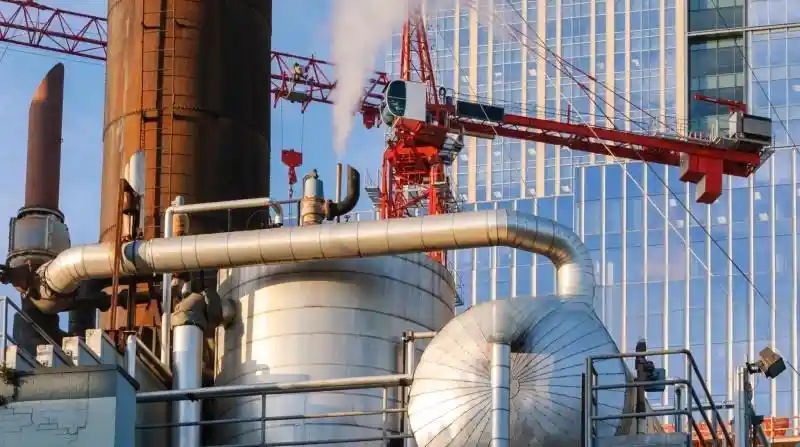
EZHONG plate rolling and leveling machines have been applied in industries requiring high-precision cylindrical forming, including:
● Boiler manufacturing
● Pressure vessel production
● Power equipment manufacturing
● Petrochemical equipment fabrication
● Heavy energy industries
Our solutions support manufacturers in producing reliable pressure and thermal equipment components with consistent forming quality.
Boiler and thermal equipment manufacturers produce a wide range of formed components, including boiler drums, pressure shells, headers, heat exchanger shells, cylindrical sections, cones, and other fabricated parts. Depending on the component, manufacturing may involve plate rolling, hot forming, pressing, bending, and subsequent welding.
Plate rolling is widely used to form cylindrical and conical shells that become the main structural or pressure-retaining components of boilers and thermal equipment. Accurate forming helps establish the required diameter, roundness, and geometry before longitudinal and circumferential welding.
Boiler components may involve thick plates, high-strength steels, and heat-resistant or alloy materials with different forming characteristics. High forming forces, material springback, plate weight, and strict dimensional requirements must be considered to achieve stable and repeatable results.
Accurate roundness is important for longitudinal seam fit-up and for the subsequent assembly of heads, tubesheets, flanges, and other components. Consistent shell geometry can reduce correction work and help maintain dimensional accuracy throughout welding and assembly.
Hot forming may be considered when the material thickness, strength, geometry, or required deformation makes cold forming impractical or less efficient. The appropriate process depends on the material grade, forming temperature, required geometry, production procedure, and applicable manufacturing requirements.
Different boiler and thermal equipment materials can have significantly different yield strengths, ductility, work-hardening behavior, and forming temperature requirements. These characteristics affect the required forming force, springback, forming sequence, and whether cold or hot forming is appropriate.
Selection should consider plate thickness and width, material grade and yield strength, required shell diameter, minimum bending radius, production volume, forming method, plate weight, and required dimensional accuracy. For manufacturers processing a wide range of boiler components, machine versatility and supporting equipment should also be considered.
Accurate roll positioning, controlled pre-bending, suitable plate handling and support systems, and CNC process control can improve forming repeatability and reduce manual correction. For series production, optimized forming cycles and repeatable programs can also improve productivity and consistency between components.
From boiler drums to large thermal equipment shells, EZHONG provides customized plate rolling and leveling solutions based on your material requirements, component dimensions, and production objectives. Contact EZHONG engineers today to develop the right forming solution for your boiler manufacturing project.