



EZHONG provides integrated plate rolling and leveling solutions for manufacturers of excavators, cranes, loaders, mining equipment, tunneling machines, and other heavy engineering machinery.
Designed for high-strength steel, wear-resistant plates, and heavy structural components, EZHONG equipment enables precise forming of cylinders, frames, tanks, supports, and customized fabricated parts, helping manufacturers improve production efficiency, structural reliability, and component durability in demanding working environments.
Engineering machinery operates under severe conditions requiring components with:
● High structural strength
● Excellent wear resistance
● High dimensional accuracy
● Long service life
Manufacturers of excavators, cranes, mining machinery, and construction equipment commonly process:
● High-strength steel plates
● Wear-resistant steel plates
● Heavy structural plates
● Customized formed components
Stable plate rolling and leveling processes are essential to ensure accurate assembly, reliable welding performance, and consistent mechanical properties of final components.
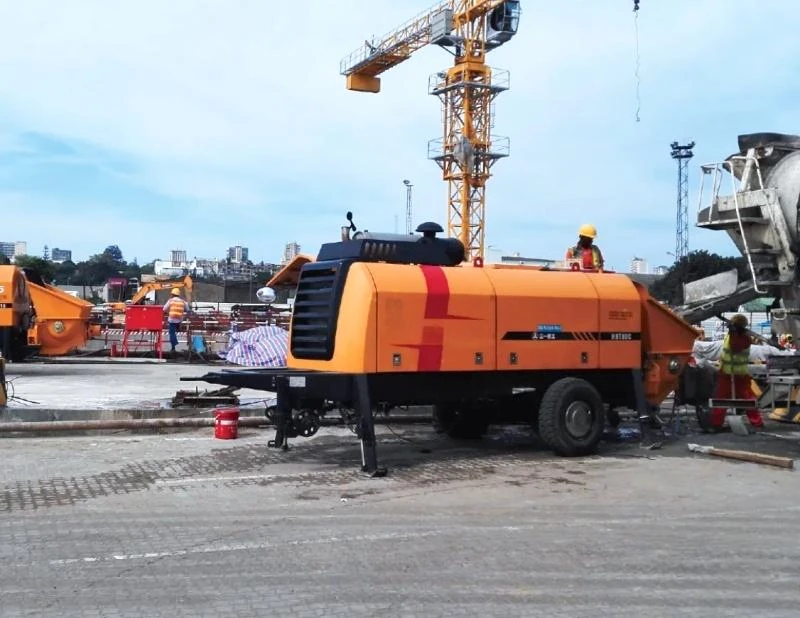
Modern engineering machinery increasingly uses advanced steel grades to reduce weight while improving strength and durability. These materials require high forming force, rigid machine structures, and optimized rolling and leveling processes to prevent deformation and maintain component quality.
Heavy equipment components require precise dimensions for welding assembly, mechanical connection, hydraulic system integration, and structural performance. Poor flatness or inaccurate forming may increase fitting work and reduce manufacturing efficiency.
Thick and high-strength plates may experience residual stress, edge deformation, and uneven forming. Effective leveling and forming solutions help improve plate condition before fabrication and assembly.
Engineering machinery manufacturers require flexible equipment capable of handling various plate thicknesses, material grades, and component geometries while maintaining stable production quality.
EZHONG provides customized plate rolling and leveling solutions for heavy equipment manufacturers, supporting the production of structural and functional components.
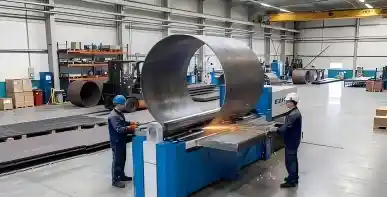
EZHONG 3-roll and 4-roll plate rolling machines are designed for:
● High-strength steel plates
● Wear-resistant steel applications
● Heavy structural components
Suitable for manufacturing cylindrical shells, hydraulic cylinders, tanks, supports, and customized curved components.
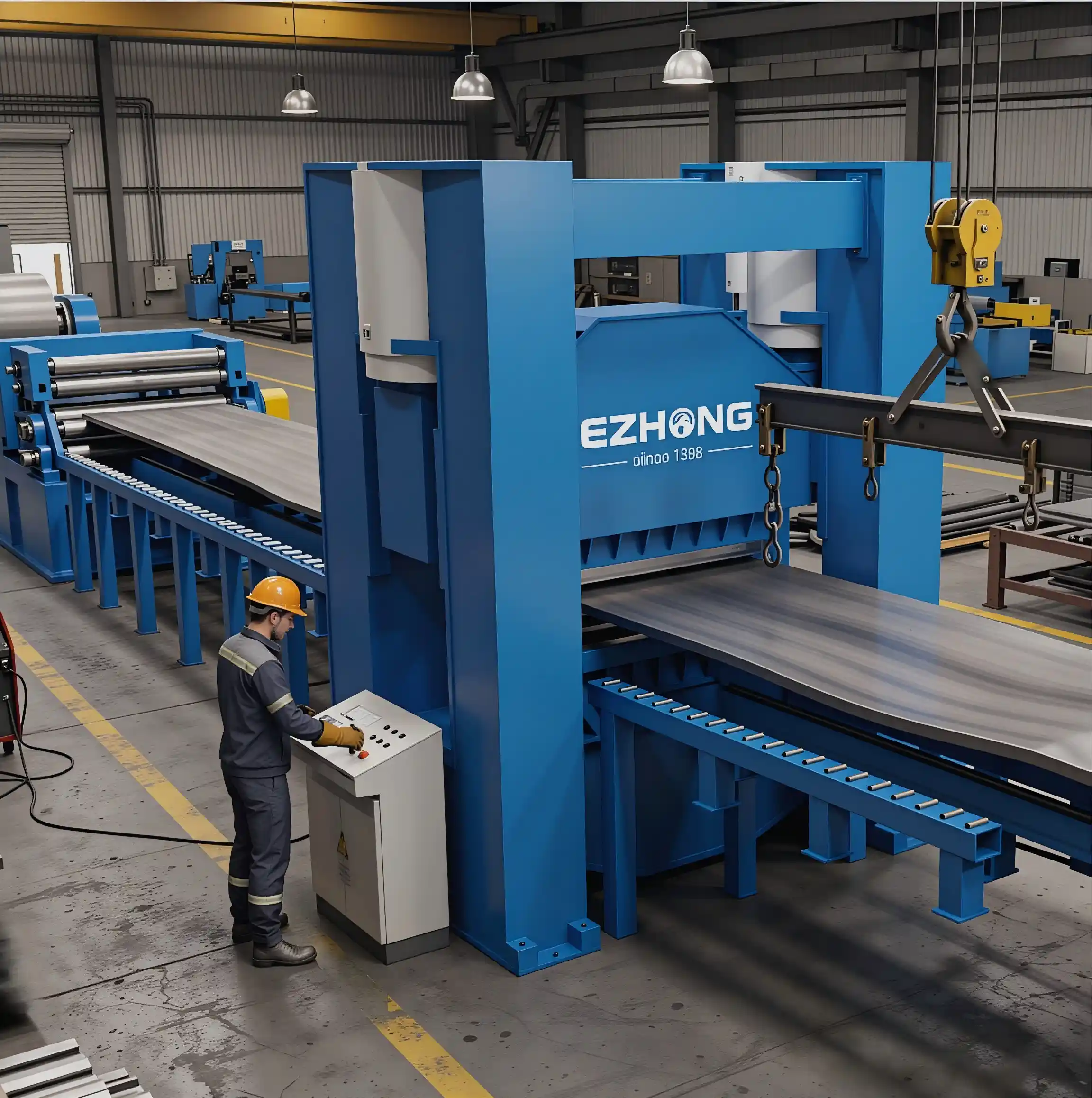
EZHONG heavy-duty plate leveling machines help manufacturers improve:
● Plate flatness
● Welding preparation quality
● Assembly accuracy
● Production consistency
Suitable for heavy plates used in mining machinery, construction equipment, and large welded structures.
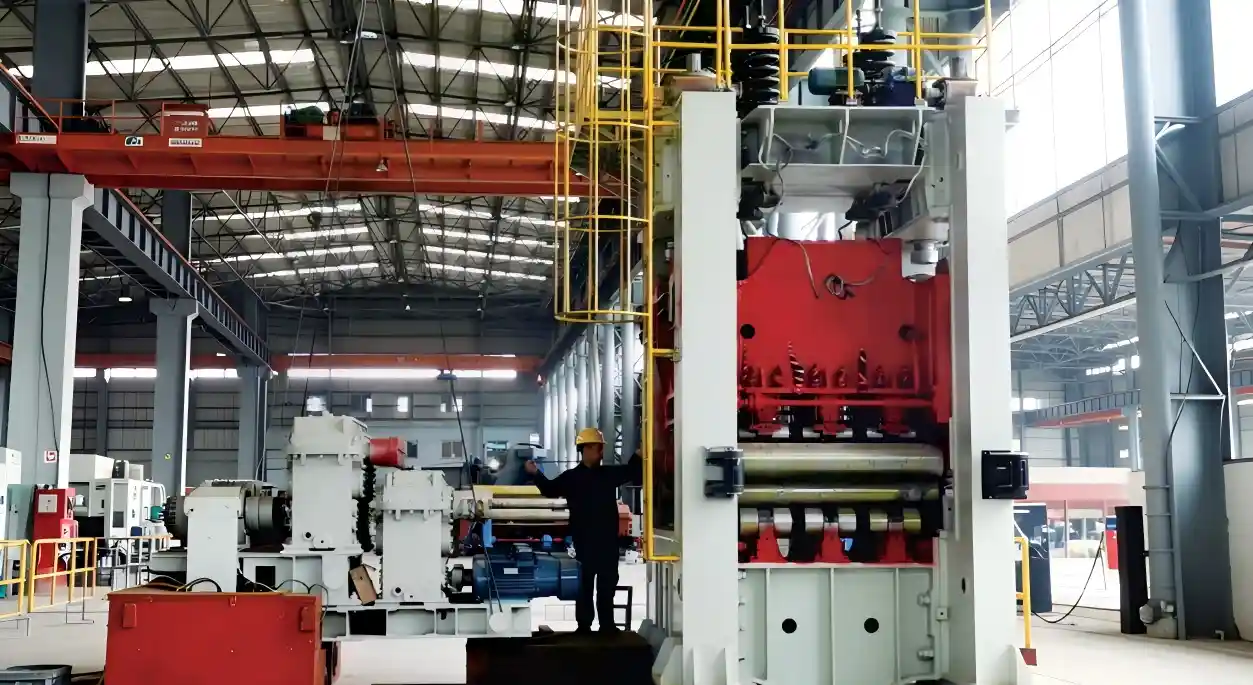
Solutions are configured according to:
● Material strength
● Plate thickness
● Component dimensions
● Production requirements
Providing flexible processing capability for different engineering machinery applications.
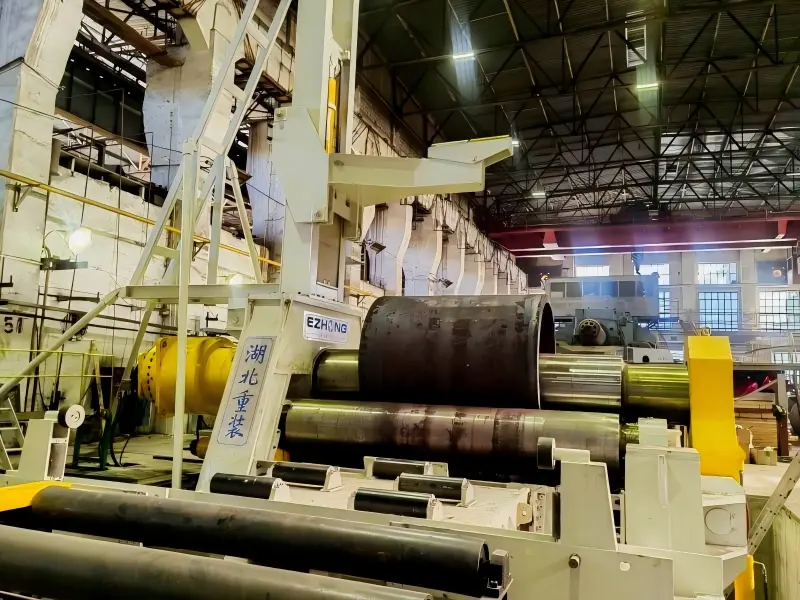
Recommended for:
● Heavy equipment cylinders
● Hydraulic components
● Structural shells
● Curved steel components
Advantages:
● High forming accuracy
● Excellent pre-bending performance
● Suitable for high-strength steel
● Efficient production operation
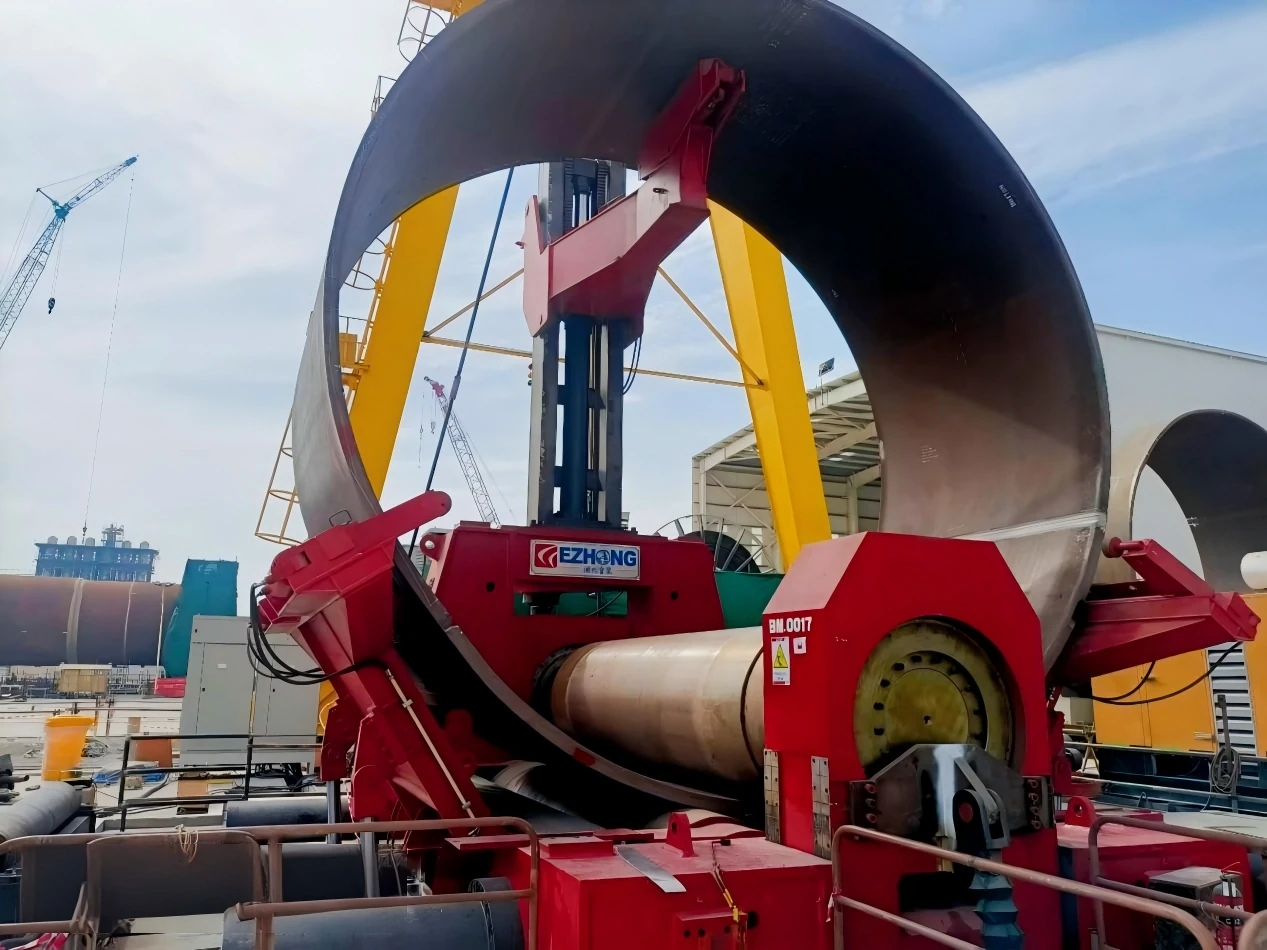
Recommended for:
● Large engineering machinery components
● Mining equipment structures
● Heavy welded assemblies
Advantages:
● Strong rolling capacity
● Suitable for thick plates
● Reliable performance for heavy fabrication
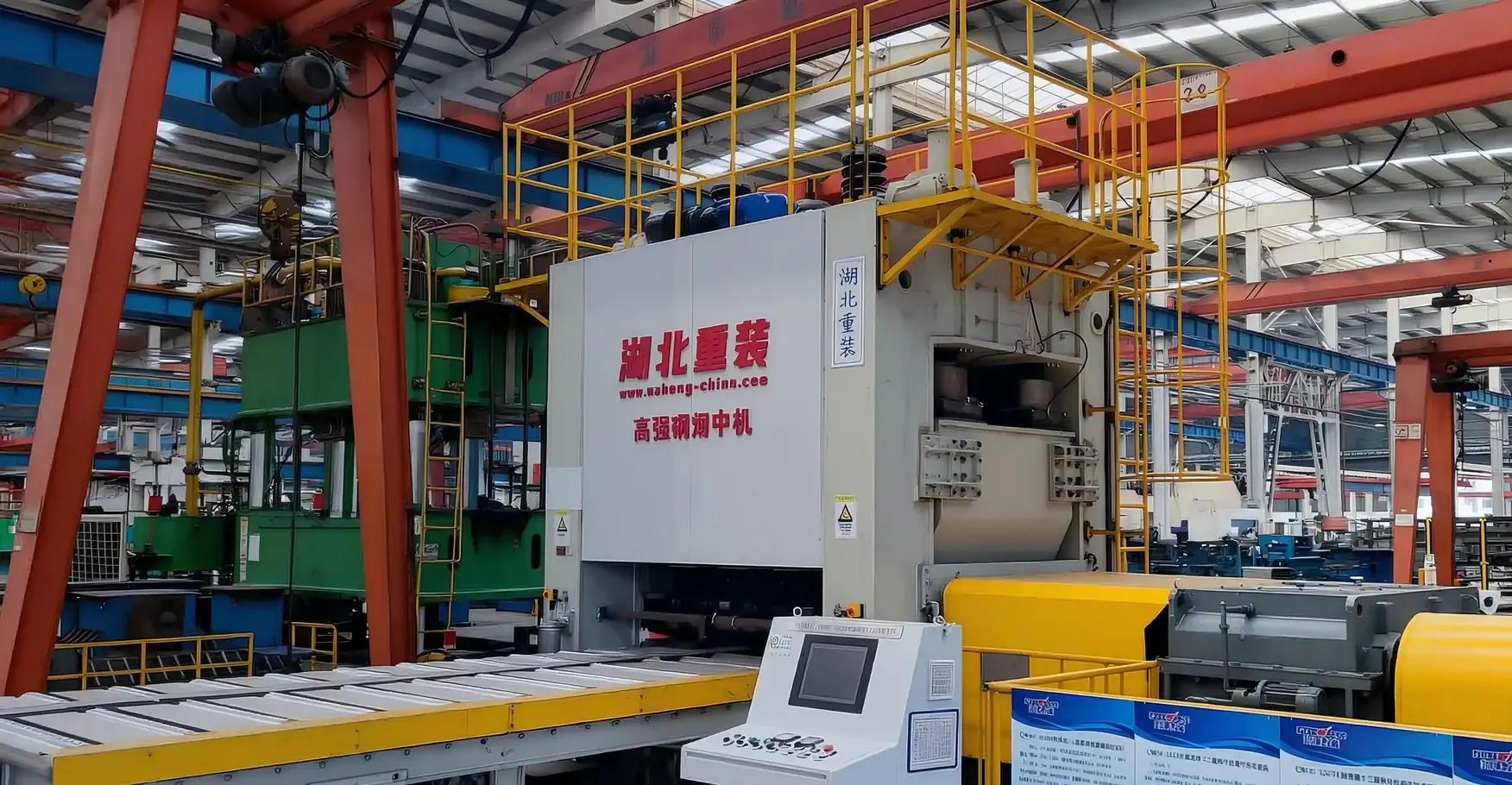
Recommended for:
● High-strength steel plates
● Wear-resistant plates
● Heavy structural plates
Advantages:
● Improves plate flatness
● Reduces deformation before fabrication
● Enhances welding and assembly efficiency
Applications include:
Suitable for manufacturing:
Applications include:
Supporting production of:
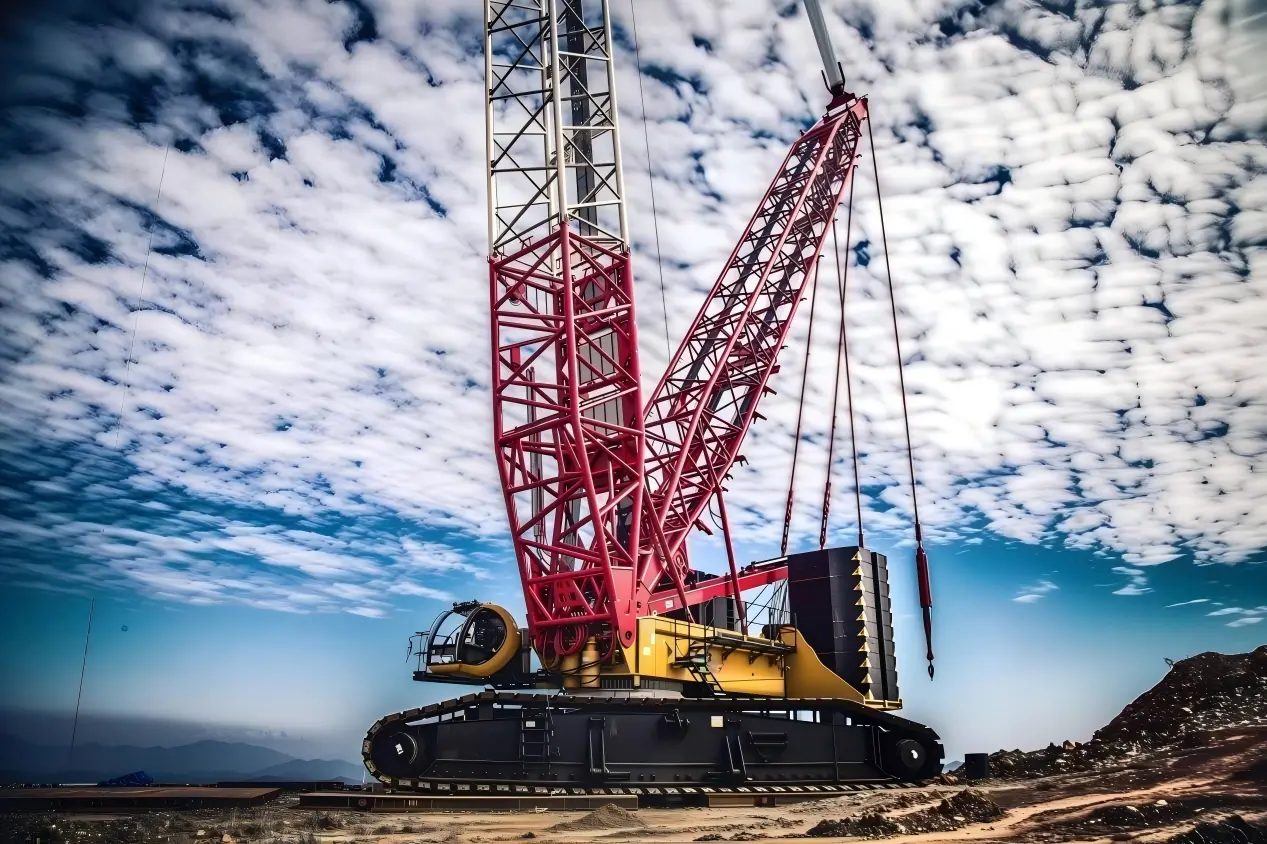
EZHONG plate rolling and leveling machines have been widely applied in industries requiring high-strength steel processing and precision fabrication, including:
● Engineering machinery manufacturing
● Mining equipment production
● Heavy steel fabrication
● Energy and infrastructure equipment manufacturing
Our solutions help manufacturers improve forming accuracy, production efficiency, and component reliability for demanding industrial applications.
Engineering machinery components often use thick and high-strength steel plates, which can develop flatness defects and residual stresses during rolling, cutting, and fabrication. Proper leveling improves plate flatness and dimensional stability, providing a more reliable starting point for subsequent cutting, welding, bending, and assembly.
High-strength steels require greater leveling forces and more controlled deformation than conventional structural steels. Yield strength, plate thickness, width, and the required flatness should all be considered when selecting the appropriate leveling machine and process parameters.
Yes. Thermal cutting can create uneven temperature distributions and residual stresses, which may cause cut plates or components to warp. Roller leveling can correct many of these flatness defects while also reducing residual stresses, helping prepare components for subsequent fabrication.
Excessive residual stress can contribute to dimensional changes during subsequent cutting, welding, and machining. Low-stress leveling helps improve dimensional stability and provides more consistent material conditions for downstream manufacturing processes.
The key factors include material yield strength, plate thickness and width, initial flatness condition, required leveling accuracy, production volume, and the size and geometry of the components. For high-strength steel, the machine must also provide sufficient leveling force and structural rigidity for stable deformation.
Leveling is commonly used for plates and cut components used in excavators, cranes, loaders, mining equipment, concrete machinery, tunnel boring machines, and other heavy equipment. Typical components include structural plates, boom and arm components, frames, brackets, and other welded assemblies.
A flatter and more dimensionally stable plate provides better conditions for positioning, fit-up, and welding. This can reduce gaps, distortion correction, and manual adjustment during fabrication, helping improve consistency in subsequent assembly operations.
Plate rolling is used when engineering machinery components require cylindrical, conical, curved, or other rolled geometries. Depending on the component design, rolling may be combined with leveling and other forming processes to achieve the required shape, dimensional accuracy, and structural performance.
From high-strength steel leveling to heavy component forming, EZHONG provides customized plate processing solutions based on your material requirements, component dimensions, and production goals. Contact EZHONG engineers to develop the right forming solution for your heavy equipment manufacturing needs.