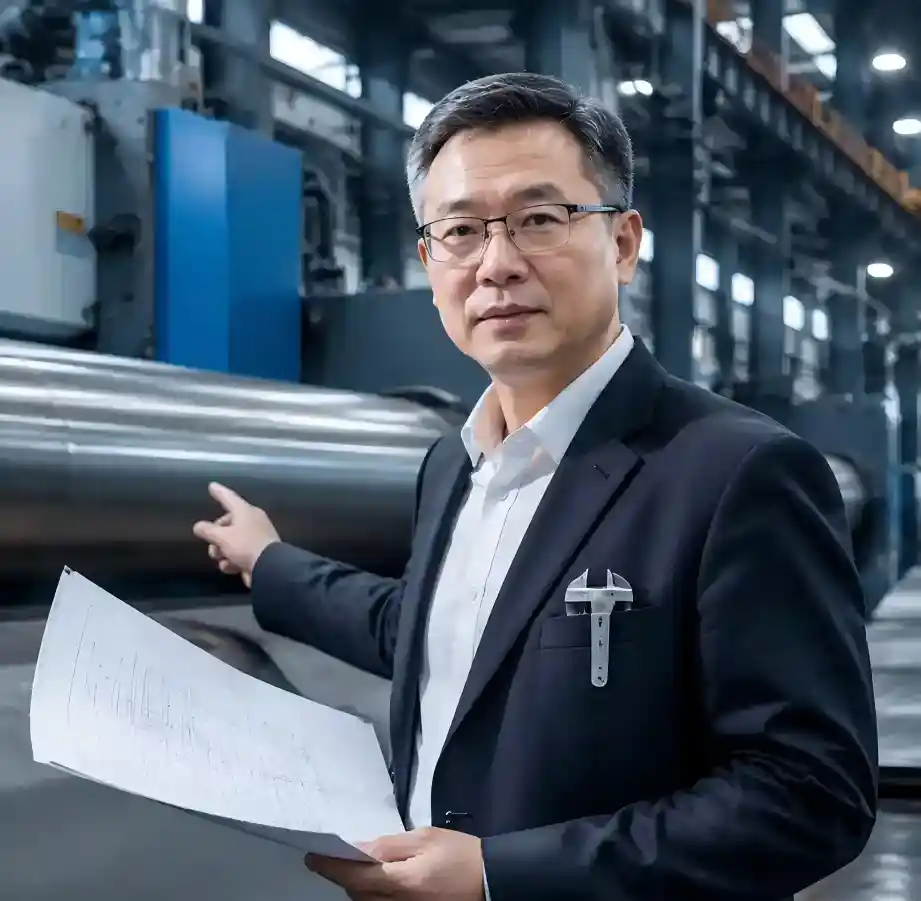
Bending machines have evolved from manual hydraulic systems to sophisticated CNC-controlled equipment that delivers precision within ±0.1mm tolerances. After two decades manufacturing plate rolling machines and press brakes for industries from wind tower fabrication to aerospace, I've witnessed how choosing the wrong machine type costs manufacturers 30-40% in productivity. This guide breaks down five primary bending machine categories based on real production data, not catalog specifications.
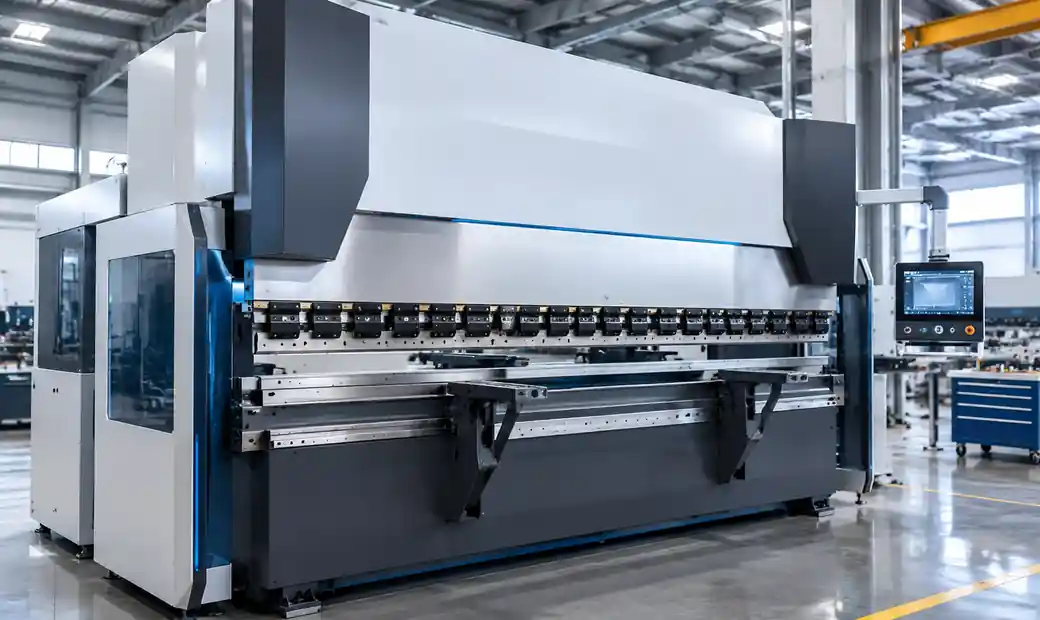 Modern CNC bending machine in industrial manufacturing facility
Press brakes dominate sheet metal fabrication because they handle the widest range of materials and thicknesses. Modern CNC servo press brakes use three distinct bending methods: air bending (most common, requires 3-5x less tonnage), bottoming (higher accuracy at ±0.5mm), and coining (maximum precision but demands 5-8x more force).
The servo versus hydraulic debate ended when energy audits proved servo systems cut power consumption by 40% while increasing stroke rates to 35 cycles/minute. Our CNC servo 4 roll plate rolling machine applies this same technology—the initial cost premium pays back in 18-24 months through reduced electricity bills alone.
For sheet metal shops running stainless steel under 6mm, a 100-ton press brake with 3-meter bed length handles 80% of typical jobs. Thicker materials or longer bends require proportionally more tonnage: 12mm mild steel needs roughly 300 tons for a 3-meter bend.
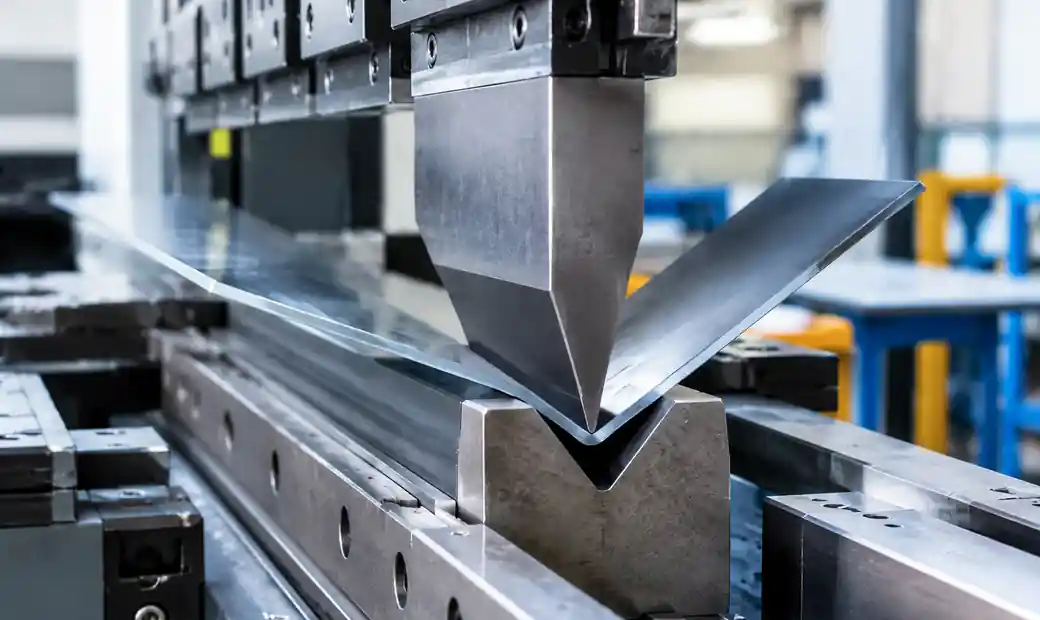 Press brake machine bending sheet metal with operator
Plate rolling machines form cylindrical and conical shapes from flat plate. The fundamental choice is 3-roll versus 4-roll configuration. Three-roll machines require pre-bending the plate ends separately, while 4-roll designs eliminate this step by using the side rolls to pre-bend automatically.
I specify 4-roll machines for production environments because they reduce setup time by 60% and deliver better roundness—critical for pressure vessel rolling where out-of-roundness over 0.5% fails inspection. The wind tower CNC three roll plate rolling machine proves the exception: for extremely thick plate (80-120mm) used in wind tower sections, three-roll geometry provides the structural rigidity needed.
CNC control transformed plate rolling from an art to a science. Digital crown compensation automatically adjusts the center roll profile to counteract deflection—a 6-meter machine rolling 25mm plate might require 3-4mm more center roll elevation at the midpoint versus the ends. Without CNC compensation, cylinders come out barrel-shaped.
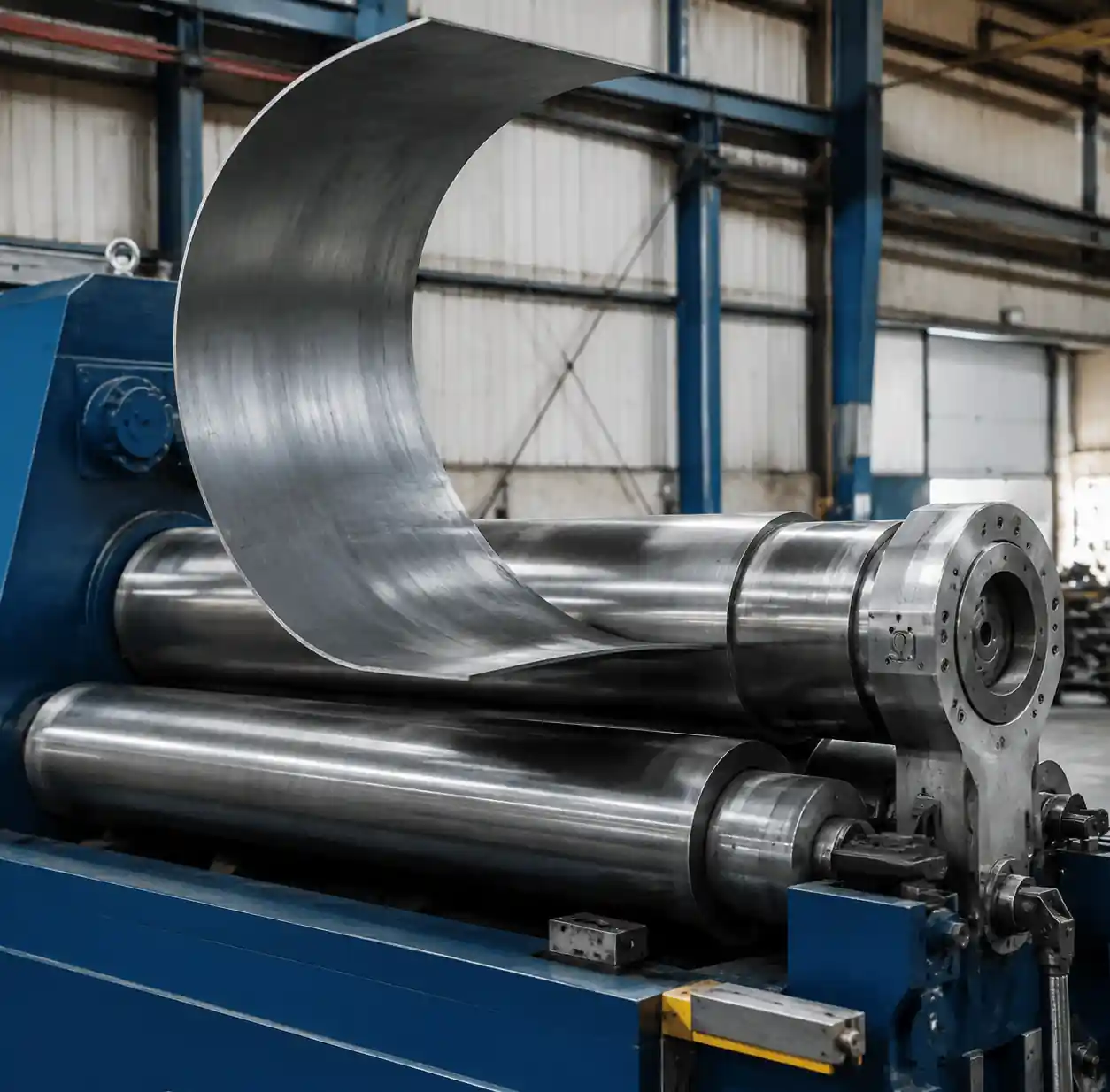 Plate rolling machine forming cylindrical metal sheet
Panel benders (also called press brakes with automatic tool changers) automate the production of boxes, cabinets, and enclosures. The machine manipulates the sheet rather than requiring operator repositioning, cycling through multiple bends in one setup.
Modern panel benders with robotic part removal produce electrical enclosures at 8-12 pieces per hour versus 3-4 on manual press brakes. The ROI calculation tilts positive above 500 identical parts annually. Below that volume, setup programming time exceeds the labor savings.
The limitation is bend complexity: panel benders excel at 90-degree bends in rectangular patterns but struggle with acute angles or non-orthogonal geometry that press brakes handle easily.
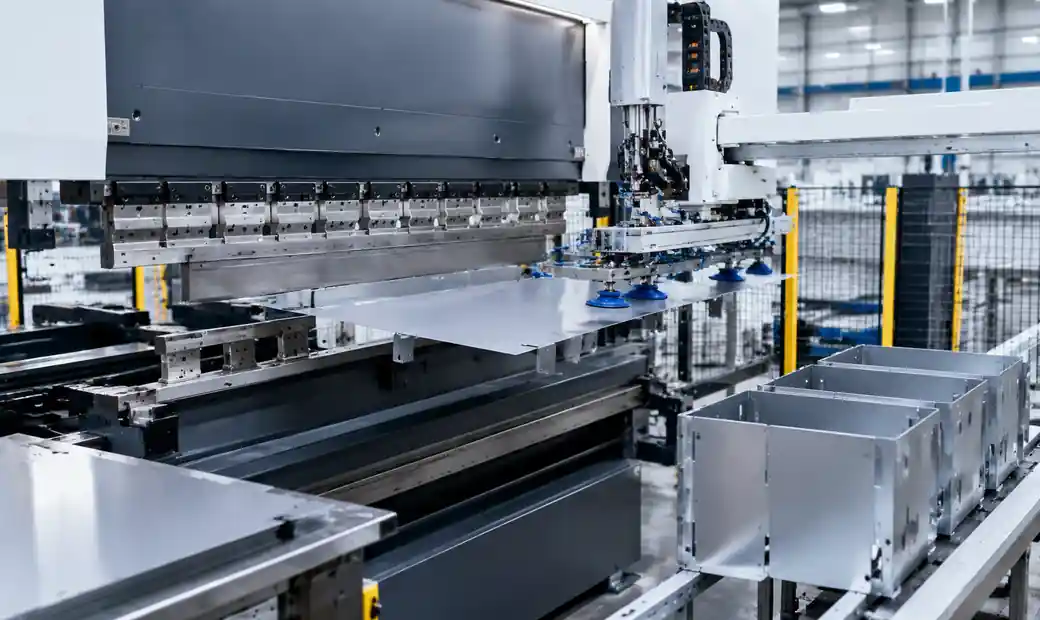 Panel bender machine producing metal enclosure automatically
Pipe and tube bending divides into rotary draw bending (for tight radius bends) and mandrel bending (prevents collapse on thin-wall tubing). Automotive exhaust systems use mandrel bending because the tube wall thickness of 1.5-2mm would collapse without internal support through a 2D radius (2 times the tube diameter).
CNC multi-axis tube benders stack multiple bends without operator intervention—a single 6-meter length might receive 8-12 bends in different planes within four minutes. Programming these machines requires XYZ coordinates plus LRA (length, rotation, angle) for each bend, but once programmed, setup time drops to under 10 minutes.
Aerospace applications demand spring-back compensation data for each material and wall thickness combination. 6061-T6 aluminum springs back approximately 3 degrees on a 90-degree bend, requiring the machine to overbend to 93 degrees.
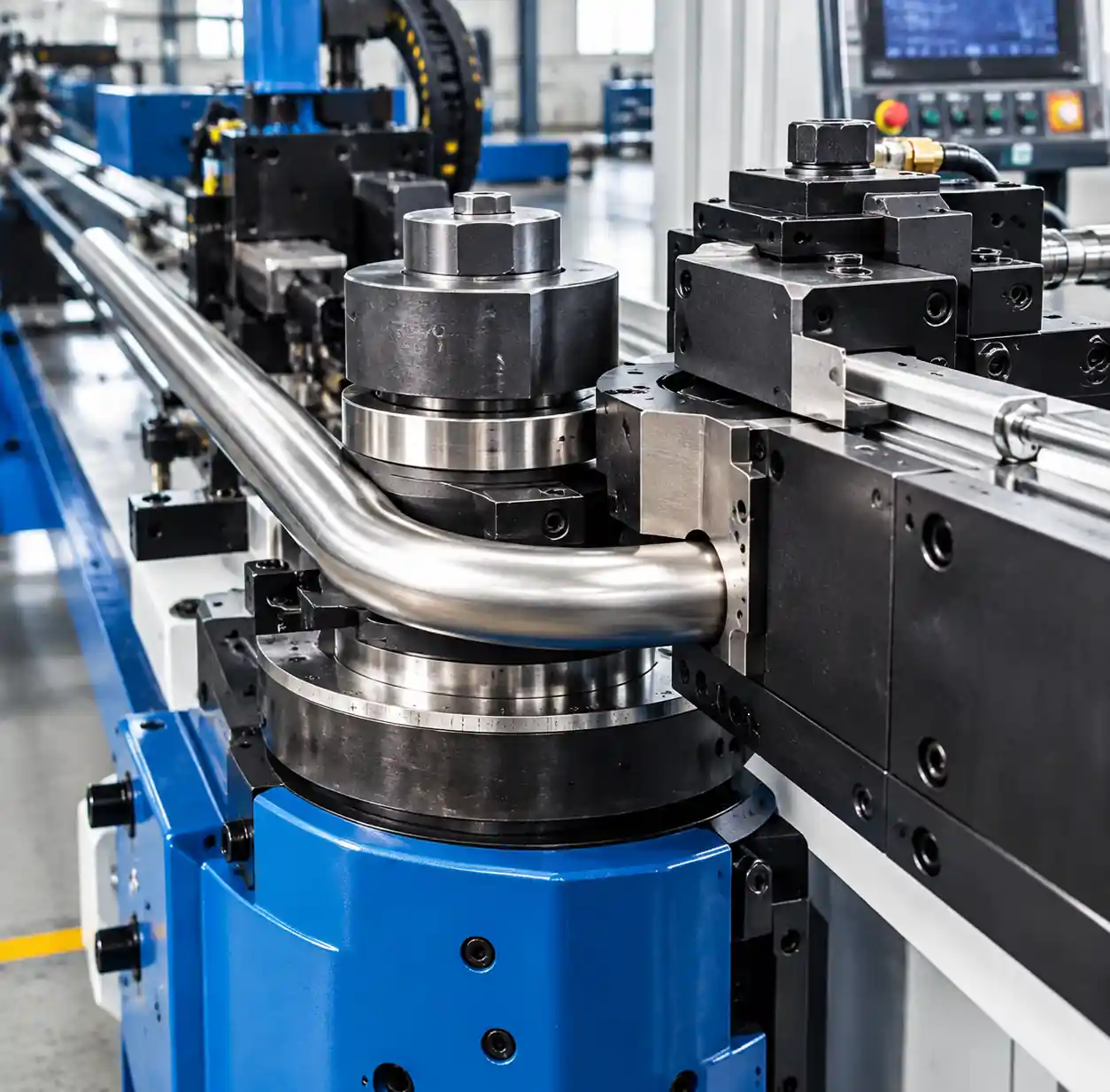 CNC tube bending machine forming metal pipe with precision
Mechanical press brakes (flywheel-driven) deliver faster cycle times—up to 60 strokes per minute versus 35 for hydraulics. This speed advantage only matters in high-volume production (over 10,000 bends monthly). For job shops running varied work, hydraulic systems provide better force control and programmable stroke depth.
Servo-hydraulic hybrids capture both advantages: servo motors drive hydraulic pumps only when needed, eliminating the continuous oil circulation that wastes energy in conventional hydraulics. Annual maintenance costs drop by 50% because hydraulic components last longer without constant cycling.
| Machine Type | Max Capacity | Precision | Cycle Speed | Power Type |
|---|---|---|---|---|
| Press Brake | 6mm @ 3m (100T) | ±0.1mm | 20-35 SPM | Servo/Hydraulic |
| 3-Roll Plate | 25mm @ 3m | ±0.5mm roundness | 2-4 m/min | Hydraulic |
| 4-Roll Plate | 30mm @ 3m | ±0.3mm roundness | 3-5 m/min | Servo-Hydraulic |
| Panel Bender | 3mm @ 3m | ±0.15mm | 8-12 parts/hr | Electric Servo |
| Tube Bender | 76mm OD, 2mm wall | ±0.5° angle | 3-6 bends/min | Servo-Electric |
| Machine Type | Ideal Materials | Thickness Range | Primary Industries |
|---|---|---|---|
| Press Brake | Stainless, mild steel, aluminum | 0.5-25mm | HVAC, enclosures, brackets |
| 3-Roll Plate | Carbon steel, stainless | 6-120mm | Wind towers, heavy vessels |
| 4-Roll Plate | All metals | 3-50mm | Tanks, ship plate rolling, silos |
| Panel Bender | Stainless, aluminum, pre-painted | 0.8-6mm | Electrical cabinets, kiosks |
| Tube Bender | Stainless, aluminum, carbon steel | 0.8-6mm wall | Automotive, furniture, aerospace |
The servo technology revolution changed economic calculations. A 200-ton servo press brake costs $45,000-60,000 more than hydraulic equivalents, but annual operating cost savings of $8,000-12,000 (electricity plus maintenance) justify the premium in 5-6 years. For shops running two shifts or more, payback shortens to 3-4 years.
CNC integration enables Industry 4.0 connectivity—production monitoring, predictive maintenance, and automatic tool offset adjustment. We've documented 25% reductions in scrap rates when CNC systems automatically compensate for tool wear based on cycle counts.
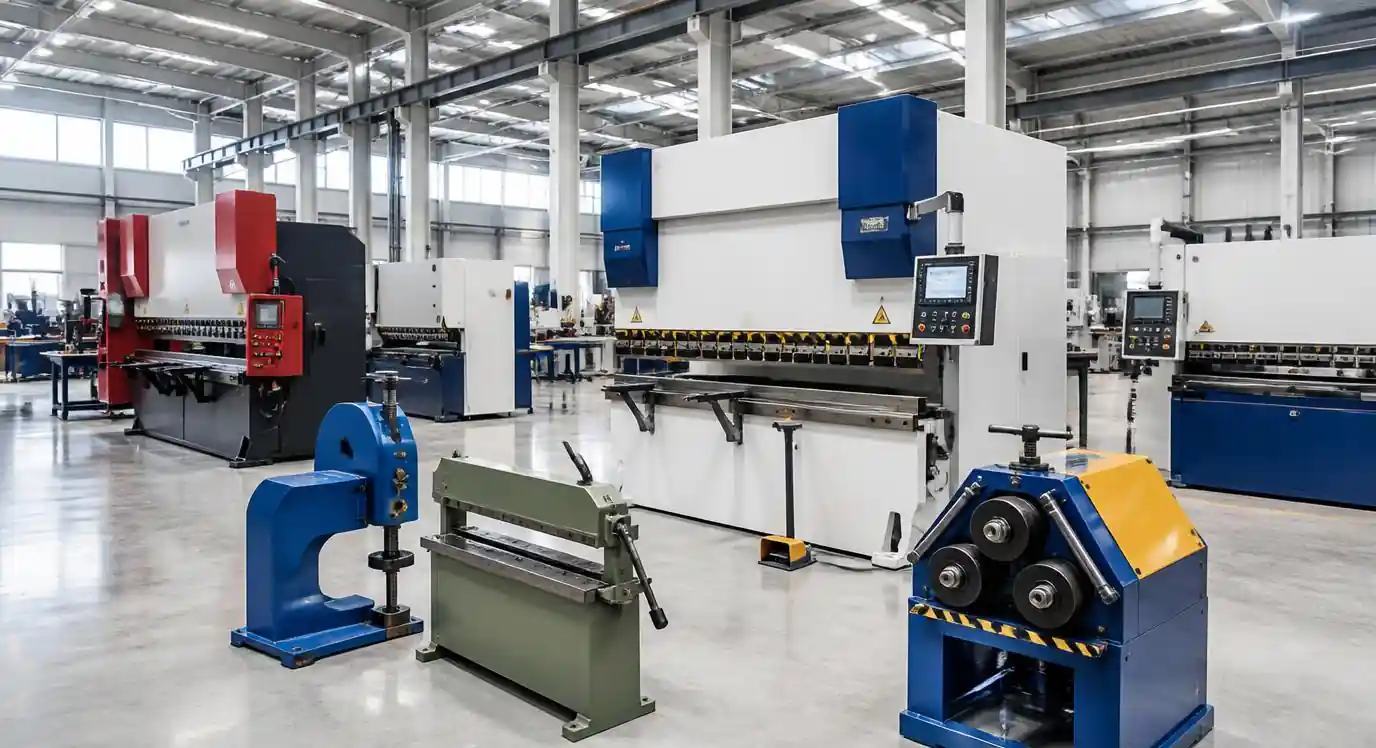 Multiple types of industrial bending machines in manufacturing facility
Production volume determines machine selection more than part complexity. Below 100 pieces annually, outsourcing often costs less than equipment ownership. Between 100-1,000 pieces, manual machines make sense. Above 1,000 pieces, CNC automation becomes economical. Above 10,000 pieces, dedicated automated cells with robotic loading prove most cost-effective.
ROI calculations must include tooling costs: press brake tooling for a 3-meter machine runs $8,000-15,000 for a complete set. Plate rolls need specialized forming rolls for conical work, adding $5,000-10,000. Factor these into capital budgets alongside the machine price.
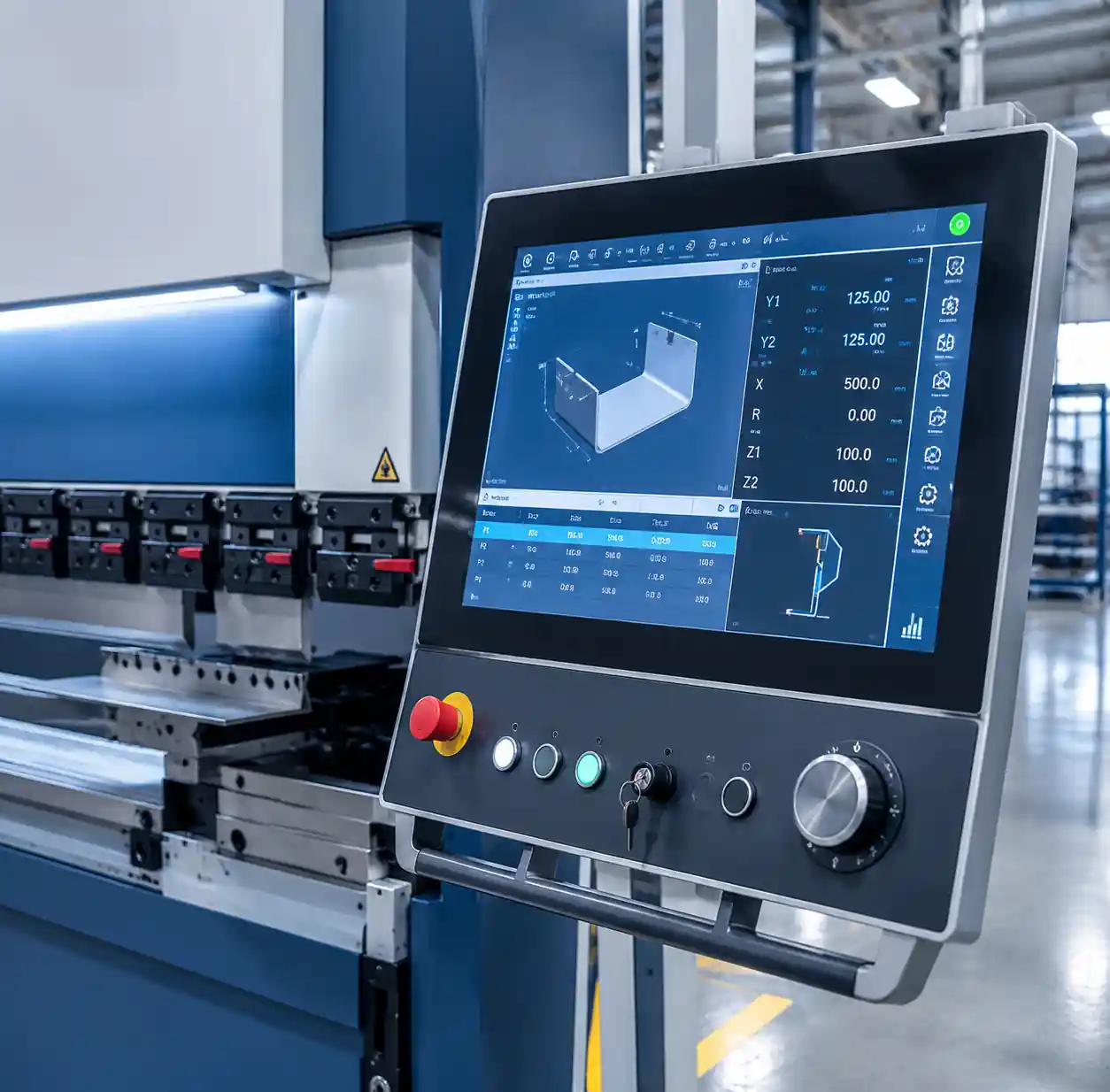 CNC control panel interface on modern bending machine
What's the difference between air bending and bottoming?
Air bending forms the sheet using only the punch tip and die shoulders without touching the die bottom, requiring less tonnage (typically 3-5x less) but delivering slightly lower accuracy (±1mm). Bottoming drives the punch fully into the die cavity for tighter tolerances (±0.5mm) at the cost of higher tonnage requirements. Choose air bending for most applications; reserve bottoming for precision work where tolerances matter.
How do I choose between 3-roll and 4-roll plate rolling machines?
Select 4-roll machines for production environments where setup time matters—they eliminate separate edge pre-bending operations and deliver 60% faster throughput. Choose 3-roll configurations only for extremely thick plate (over 80mm) where the simpler frame design provides necessary structural rigidity, such as wind tower applications. Most manufacturers benefit more from 4-roll efficiency.
Can one machine handle multiple bending applications?
Press brakes offer the most versatility—with tooling changes, they handle channel forming, box bending, radius bending, and hemming. However, specialized machines outperform them in dedicated applications: plate rolls produce cylinders faster, panel benders automate box production better, and tube benders handle pipe work press brakes cannot. For job shops, press brakes maximize flexibility. For production runs, specialized equipment maximizes efficiency.
What maintenance do CNC bending machines require?
Daily checks include hydraulic oil levels and temperature (operating range 40-50°C), lubrication of slide ways, and removal of debris from die areas. Monthly maintenance involves checking hydraulic filter condition, inspecting hoses for wear, and calibrating angle measurement systems. Annual service requires hydraulic oil replacement (typically ISO VG 46), complete system calibration, and inspection of wear components like guide rails. Servo systems require less maintenance than conventional hydraulics because pumps only run during actual bending cycles.
How does servo technology compare to traditional hydraulic systems?
Servo-driven systems reduce energy consumption by 40-50% because motors only operate during actual working strokes, versus continuous pump operation in conventional hydraulics. They deliver faster cycle times (30-35 strokes per minute versus 20-25), quieter operation (70dB versus 85dB), and better precision through closed-loop control. Initial costs run 20-30% higher, but total cost of ownership favors servo systems over 5-7 years through lower electricity bills and reduced maintenance.
Selecting the right bending machine type depends on three factors: material specifications (thickness, type, size), production volume (prototype versus high-volume), and precision requirements (standard ±1mm versus tight ±0.1mm tolerances). Press brakes handle the widest variety of applications, plate rolls specialize in cylindrical work, panel benders automate box production, and tube benders serve pipe fabrication needs.
The industry trend toward servo-electric drives and CNC integration continues accelerating—these technologies deliver measurable ROI through reduced energy costs, faster cycle times, and lower scrap rates. For operations running multiple shifts, servo technology pays for itself within 3-4 years.
EZHONG manufactures complete lines of 3 roll plate rolling machines, 4-roll configurations, and specialized equipment for pressure vessels and shipbuilding applications. Our engineering team provides specification consultations based on your material types, production volumes, and tolerance requirements—contact us with your application details for equipment recommendations backed by 20 years of manufacturing experience.